
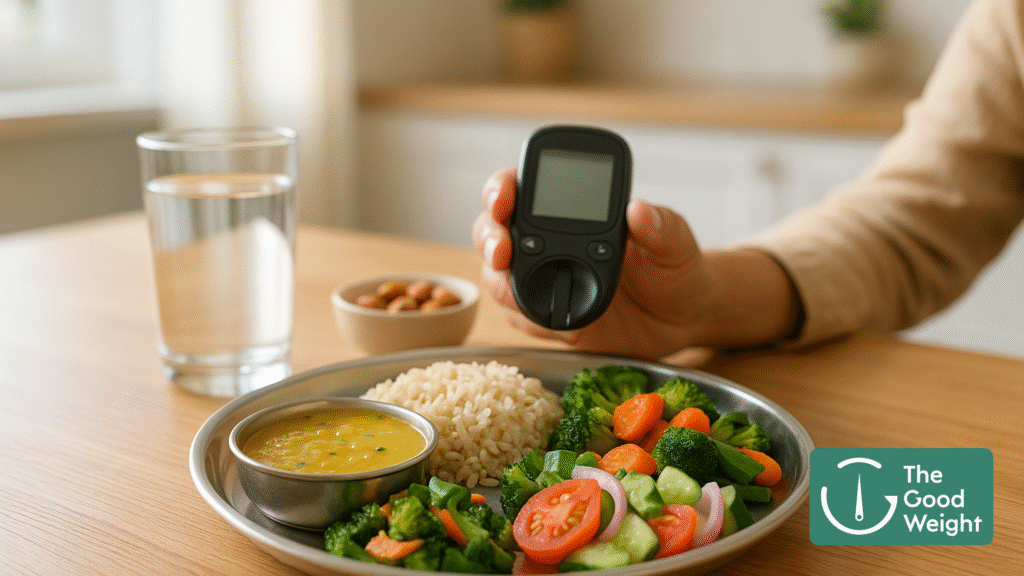
Losing weight is challenging enough, but for people living with diabetes, it comes with special considerations. Keeping blood sugar stable while cutting calories seems tricky at first glance. Yet, with the right strategy, it’s possible to manage both effectively – and safely.
A well-designed weight loss diet for diabetics focuses on balance rather than restriction. It builds habits that stabilize blood glucose and encourage steady weight reduction. Many people mistakenly believe they must eliminate all carbs or skip meals entirely to see results. In truth, understanding portion control and food combinations matters far more than avoiding entire food groups.
So how should someone with diabetes approach weight loss? Let’s walk through the science, structure, and sample strategies that help create sustainable change.
Why Weight Management Matters When You Have Diabetes
Excess body fat makes it harder for insulin to work efficiently. For those with type 2 diabetes, this leads to higher blood sugar levels and greater insulin resistance. Even modest weight loss – around 5% of body weight – can significantly improve glucose control, lower blood pressure, and reduce cholesterol levels according to the American Diabetes Association.
That’s encouraging news. It means the goal isn’t perfection; progress is enough. A weight loss diet for diabetics doesn’t just help manage diabetes – it can delay complications related to the heart, kidneys, and nerves. It also boosts energy, mobility, and overall confidence.
Principles of a Healthy Weight Loss Diet for Diabetics
The foundation of an effective plan revolves around mindful nutrition and smart energy balance. Here’s what that looks like in daily practice.
1. Spread Carb Intake Throughout the Day
Rather than eliminating carbohydrates, learn to space them evenly across meals. This smooths blood glucose spikes and keeps energy levels steady. Focus on complex carbs from whole grains, lentils, and low-GI fruits like apples or guava. Replace white rice or refined flour with brown rice, quinoa, or millet.
2. Emphasize High-Quality Protein
Protein supports satiety and slows glucose absorption. Eggs, paneer, lentils, fish, tofu, and lean chicken are dependable options. Aim for a protein source in every meal – it reduces cravings later in the day.
3. Choose Healthy Fats
Good fats from nuts, seeds, olive oil, or avocado support heart health. The trick lies in moderation. Diabetics already face higher cardiovascular risks, so replacing fried or processed oils with monounsaturated fats makes a tangible difference.
4. Control Portion Sizes
Portion management is essential. Visual cues help: a quarter plate for grains, a quarter for protein, and half for vegetables. Using smaller plates or pre-portioning snacks helps you avoid mindless overeating.
5. Stay Consistent With Meal Timing
Irregular eating patterns trigger blood sugar swings. Stick to 3 main meals and 1-2 small snacks. Regular patterns promote metabolic stability and prevent mid-afternoon slumps.
Building an Indian Weight Loss Diet Plan for Diabetics
For Indian readers, dietary adjustments should blend tradition with science. Below is a model outline that keeps cultural flexibility while supporting health goals.
Morning (7-8 AM)
- Warm water with lemon (no sugar)
- Small bowl of poha with veggies or 2 moong dal chillas
Mid-Morning Snack (10 AM)
- A handful of unsalted almonds or walnuts
- Herbal or green tea without sugar
Lunch (1 PM)
- One multigrain roti or small serving of brown rice
- Mixed vegetable curry (minimal oil)
- Green salad and a bowl of dal or grilled fish
Evening Snack (4-5 PM)
- Roasted chickpeas or unsweetened yogurt with flax seeds
Dinner (7-8 PM)
- Light soup with sautéed paneer/tofu and vegetables
- One small portion of whole-grain khichdi
Before Bed
- A cup of warm turmeric milk (use low-fat milk and no sugar)
This example keeps fiber high, carbs complex, and processed sugar minimal, which suits both weight reduction and glucose stability.
How to Monitor Progress Safely
Tracking weight alone gives an incomplete picture. Diabetic individuals should monitor fasting and post-meal glucose readings, waist measurements, and energy patterns. Regular blood tests – like HbA1c every three months – show long-term patterns.
At Good Weight, our approach stresses gradual changes and habit reinforcement rather than crash dieting. The goal is not just losing weight but keeping it off while maintaining blood sugar consistency.
Common Mistakes to Avoid When Following a Weight Loss Diet for Diabetics
Even the best intentions can go wrong with a few missteps.
- Skipping Meals: This may cause hypoglycemia or rebound overeating later. The body functions best with steady fuel.
- Over-reliance on Diabetic Packaged Foods: Many “sugar-free” snacks substitute refined carbohydrates or saturated fats. Always read labels carefully.
- Neglecting Hydration: Water supports digestion and helps control appetite. Aim for 2-2.5 liters per day unless limited by medical advice.
- Ignoring Exercise: Diet and physical activity are inseparable partners in controlling both weight and blood sugar.
Exercise Alongside a Healthy Diet
You can’t out-diet inactivity. Brisk walking for 30 minutes daily increases insulin sensitivity and burns extra calories. For variety, try yoga, swimming, or cycling. Resistance training twice per week helps preserve muscle mass and bone density, key factors for long-term metabolism.
The right mix of diet and movement keeps glucose steady and mood elevated. Start slow – 10-minute walks after meals can make a measurable difference in blood sugar levels according to studies published in the Diabetologia journal (source).
Managing Cravings and Emotional Eating
Food often doubles as comfort for people managing chronic conditions. Stress, lack of sleep, or boredom can trigger overeating. Techniques like mindfulness, journaling, or swapping sugary cravings for fruit help break that pattern. Another effective strategy? Eat protein-rich snacks at regular intervals to avoid blood sugar dips that fuel hunger.
If emotional triggers persist, professional nutrition coaching or community support can be life-changing. Good Weight offers guidance programs that focus on behavior change, creating lasting health habits without extreme restrictions.
Frequently Asked Questions About Weight Loss Diets for Diabetics
What is the safest rate of weight loss for diabetics?
A gradual reduction of 0.5-1 kg per week is safe. Fast weight loss can destabilize glucose levels or cause muscle loss.
Can diabetics follow keto or low-carb diets?
Strict keto may not suit everyone, particularly those on insulin or oral glucose-lowering medication. Moderate carb distribution is usually safer under medical supervision.
Are fruits off-limits for diabetic weight loss?
Not at all. Choose low-GI fruits like berries, papaya, or apple, eaten in moderation with meals rather than alone.
Does eating late at night affect blood sugar?
Yes. Late-night snacking may keep glucose elevated overnight. Finish dinner at least two hours before sleep when possible.
Should diabetics avoid rice completely?
No, but limit quantity and opt for less refined types like brown or red rice. Pair with vegetables and lentils to reduce glycemic load.
Key Takeaways
- A good weight loss diet for diabetics balances carbs, protein, and good fats rather than removing entire groups.
- Traditional foods can fit with smart portioning and whole-grain swaps.
- Hydration, regular physical activity, and meal timing strengthen results.
- Mindful eating reduces cravings and improves control over long-term habits.
- Guidance from experts – like the coaching available at Good Weight – helps sustain progress safely.
Steady improvements compound over time. The aim isn’t to “fix” diabetes but to create a lifestyle that supports health, confidence, and energy for years ahead.