
Many people reach a point where diet and exercise alone just aren’t delivering the results they want. That’s when the topic of weight loss injections often comes up. These treatments, which have become more popular across India, including Chennai, are often part of medically supervised weight loss programs that use new medications like GLP‑1 receptor agonists – such as semaglutide – to help reduce appetite and improve long‑term weight management.
The idea of using an injection for weight loss may sound intimidating at first, but under expert supervision, they can be a practical option for people struggling with stubborn weight or related health issues like insulin resistance or PCOS. Here’s what to understand before considering them.
How Weight Loss Injections Work
Most modern weight loss injections mimic the naturally occurring hormone GLP‑1 (glucagon-like peptide 1), which plays a role in regulating appetite and blood sugar. When you eat, GLP‑1 slows the emptying of the stomach and signals the brain that you’re full sooner. Medications that imitate this hormone prolong that effect.
Semaglutide, a GLP‑1 receptor agonist originally developed to manage type 2 diabetes, is now also prescribed at specific doses for weight management. Clinical studies have shown average weight reductions ranging from 10-15% of body weight over several months, depending on adherence and lifestyle factors (NIH). The injections are usually administered once a week, often self‑administered at home after initial guidance from a clinician.
Key effects include:
- Reduced hunger and craving levels throughout the day
- Improved portion control due to slower gastric emptying
- Better blood sugar balance, which reduces fatigue and energy dips
However, these injections are most effective when combined with sustainable nutrition and activity habits – not used as a standalone solution.
Comparing Weight Loss Injections and Other Programs
For many people in Chennai looking into weight loss programs, a key decision is whether to try non‑injectable options first. Traditional programs focus on calorie control, meal planning, exercise, and behavioral support. These methods are excellent starting points because they teach lifelong habits.
Weight loss injections may be introduced when:
- Weight has plateaued despite consistent effort.
- BMI is above 30, or above 27 with related conditions like prediabetes or hypertension.
- Emotional eating patterns make calorie restriction unsustainable.
Good Weight and other similar programs in India now help clients combine clinical interventions like GLP‑1 medications with coaching, nutrition education, and personalized check‑ins. The goal is to make the injection part of a larger, sustainable plan rather than a quick fix.
What to Expect When Starting GLP‑1 or Semaglutide Injections
Starting any new medical treatment can feel overwhelming. During the first month on semaglutide, the dose is gradually increased to minimize side effects. Some people experience mild nausea, constipation, or lightheadedness, which often improve over time as the body adapts.
It’s also normal to notice changes in appetite early – many report feeling satisfied after much smaller meals. Combining this new appetite awareness with guidance from a nutritionist can help retrain eating habits for long‑term benefit.
Safety Note: These injections should only be taken under prescription and regular supervision. People with certain thyroid disorders or pancreatitis history should discuss alternative approaches with a physician (Mayo Clinic).
Weight Loss Injections in Chennai: What to Know Locally
Chennai residents now have access to several professional clinics providing medically supervised GLP‑1 or semaglutide treatments. Programs often include nutritional guidance, progress tracking, and ongoing medical reviews. Always ask about:
- Doctor credentials: confirm whether they are endocrinologists or obesity medicine certified.
- Transparent pricing: some offer monthly subscription models covering medication and monitoring.
- Lifestyle integration: good clinics pair medication with coaching, not just injections.
Local practices like Good Weight’s Chennai programs focus on both the science and the mindset of change. Combining injections with compassionate support helps clients make lifestyle shifts that last even after medication tapering. You can learn more at Good Weight.
Practical Benefits Reported by Users
People who’ve used GLP‑1-based injections while following structured meal plans often highlight steady, not rapid, progress. That’s exactly what helps build confidence again. Participants typically see:
- Gradual, predictable weight reduction within the first 8-12 weeks
- Reduced snacking habits and cravings
- Improved energy consistency across the day
- Better control over portion choices even on social occasions
While every experience varies, the key success factor seems consistent – combining medication support with lifestyle accountability and coaching.
Possible Side Effects and How to Handle Them
Most side effects tend to be mild. Still, being proactive helps minimize discomfort. Common issues include:
- Nausea: eat smaller, plain meals and stay hydrated.
- Constipation: increase fiber intake, especially from fruits and vegetables.
- Fatigue: ensure adequate protein and vitamin balance.
If symptoms worsen or persist, your clinician might adjust dosage or schedule. Importantly, avoid stopping medication abruptly without supervision – it can cause appetite rebound.
Integrating Injections into a Healthy Routine
Semaglutide injections work best paired with realistic lifestyle habits. Here’s what tends to help:
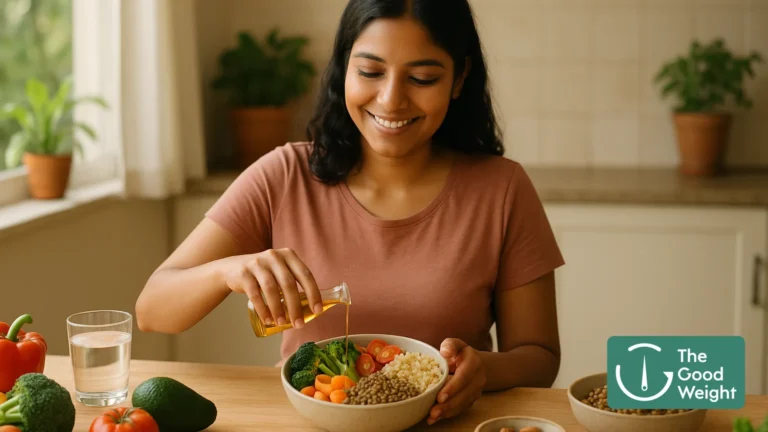
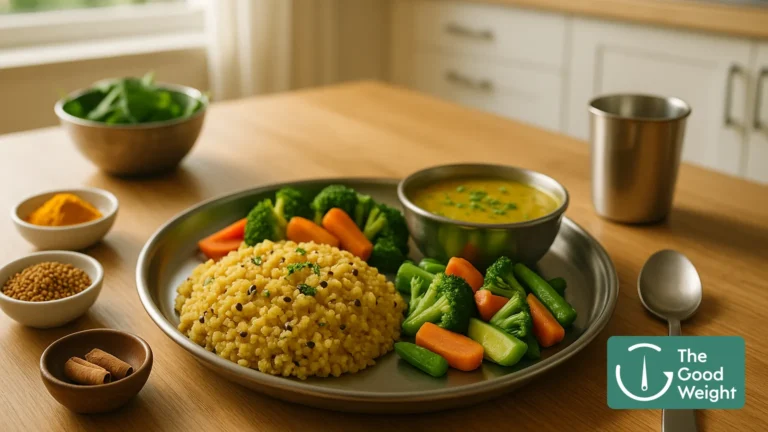
- Plan simple, balanced meals: focus on protein, vegetables, and whole grains.
- Stay active: daily walks or low‑impact workouts multiply the metabolic effect.
- Track weekly progress: weigh-ins, waist measurements, and mood notes give balanced feedback beyond just the scale.
People who treat the injection as a tool, not the solution, often maintain their weight more easily once dosage tapers or ends.
Common Questions About Weight Loss Injections
Are injections right for everyone?
No. People under 18, pregnant women, or those with certain health conditions shouldn’t take them. A healthcare consultation is essential first.
How long must I use them?
Most plans last 3-6 months but can extend depending on progress. The aim is to reach a sustainable weight, then taper slowly under supervision.
Will I regain weight afterward?
Maintaining results depends on lifestyle consistency. If healthy habits remain, many maintain most of the loss. Follow‑ups and coaching reduce relapse risk dramatically.
What’s the difference between semaglutide and earlier injections?
Semaglutide has longer action (once weekly) and stronger effect on appetite control than older GLP‑1 analogues, which needed daily doses.
Putting It All Together
The role of weight loss injections in modern health care is growing, especially for those managing obesity‑related conditions. Still, injections are just one piece of the picture – lifestyle, mindset, and continuity make the real difference.
At Good Weight, guidance goes beyond the prescription. Programs integrate nutritional education, regular follow‑up, and an encouraging community environment so clients never feel alone in their journey. If you’re exploring weight loss injections in Chennai, seek medical supervision, informed counseling, and supportive coaching before committing.
Change doesn’t happen overnight, but with the right plan, it can absolutely last a lifetime.