
Losing weight can feel confusing when every other plan claims to be the best one. The truth? There’s no single perfect approach that fits everyone. What works for one person might not work for another. The key is creating a diet plan for weight loss that supports your goals, body type, and daily lifestyle.
At Good Weight, we’ve helped thousands of people discover that healthy weight loss is not about eating less – it’s about eating right. Sustainable changes always beat extreme diets. So, here are 10 practical and realistic diet plans that actually help you lose weight while improving your long-term health.
1. The Balanced Plate Plan
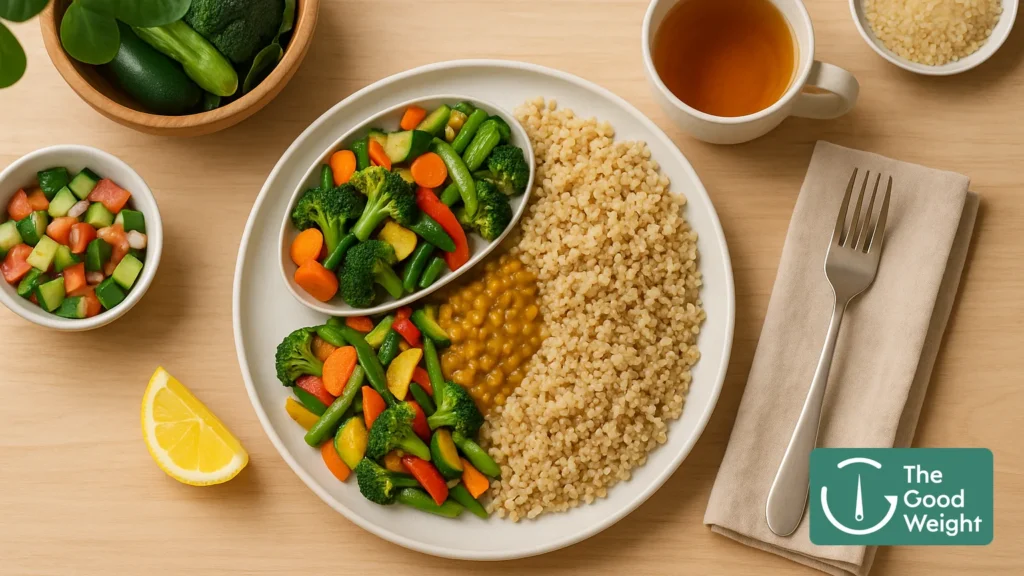
The simplest place to start is the balanced plate method. It’s easy to remember and doesn’t require calorie counting. You fill half your plate with vegetables, one-fourth with lean protein, and the rest with complex carbs.
This approach keeps your blood sugar stable and makes portion control automatic. For Indian meals, think of roti or brown rice alongside dal and sabzi. Small tweaks like using less oil and increasing fiber make a huge difference.
People who follow this method often feel more energized and less hungry throughout the day.
2. High-Protein Indian Diet
Protein is a game changer when it comes to losing weight because it keeps you full longer and preserves muscle mass. Many Indian diets rely heavily on carbs, so adding more protein helps keep hunger in check.
You can include paneer, tofu, lentils, eggs, or grilled chicken in your meals. Even one serving of sprouted moong or chickpeas adds a protein punch. Research from Harvard Health confirms that a higher-protein diet can help with fat loss while maintaining lean muscle.
3. Intermittent Fasting
Intermittent fasting focuses more on when you eat instead of what you eat. The most popular version is the 16:8 method, where you fast for 16 hours and eat all your meals within an 8-hour window.
Many find success because fasting naturally reduces calorie intake without rigid restrictions. But timing is everything – skip midnight snacking and focus on nutrient-rich meals during your eating period.
If you’re just starting, try a 12:12 schedule and gradually increase your fasting hours. Always check with your healthcare provider if you have medical conditions before trying it.
4. Low-Carb Indian Diet
Cutting down excess carbs can help reduce water weight and control insulin spikes. For an Indian-style low-carb meal plan, replace white rice with millet, quinoa, or cauliflower rice.
Meals can include grilled fish, paneer, or dal with plenty of sautéed veggies. Snacks could be roasted makhana or nuts. The idea is not to eliminate carbs but to choose high-quality ones that release energy slowly.
The catch? Avoid overly restrictive carb cutting – it can lead to fatigue. Instead, focus on balance.
5. Customized Diet Plan for Weight Loss
Everyone’s body responds differently to calories and macros. Age, activity level, and metabolism all play a part. That’s why a customized diet plan for weight loss often performs better than generic diets.
At Good Weight, experts analyze your goals, preferences, and health data to create a nutrition plan that fits your lifestyle. Maybe you have a desk job, or perhaps you’re always on the move – each case needs a different strategy.
Personalized plans often adjust portions and timings rather than cutting out foods you love. The goal is sustainability, not starvation.
6. Personalized Indian Meal Plan for Weight Loss
The beauty of Indian meals is variety – you can eat healthily without giving up your favorite dishes. A personalized Indian meal plan for weight loss focuses on portion control and cooking styles.
Steamed idlis instead of fried snacks, dal without excessive ghee, and herbal teas instead of sugary drinks are small but powerful swaps.
Pair your morning with poha or upma loaded with vegetables, have dal with brown rice at lunch, and chapati with sabzi at dinner. Each meal is light yet satisfying.
7. The 5:2 Plan
This plan involves eating normally for five days a week and consuming fewer calories (about 500-600) for two non-consecutive days. It fits people who struggle with daily restrictions but still want structure.
You could have light vegetable soups, fruits, and a bit of protein on fasting days. On regular days, focus on balanced meals but don’t overcompensate.
Several studies published by National Institutes of Health (NIH) show intermittent energy restriction can improve fat loss and metabolic health when done sensibly.
8. Mediterranean Diet (Indian-Style)
You don’t have to live near the sea to enjoy the benefits of the Mediterranean diet. This plan emphasizes vegetables, olive oil, legumes, and lean proteins like fish.
You can adapt it easily with Indian flavors – add extra virgin olive oil to salads, use lentils or beans for plant proteins, and include spices like turmeric and jeera for flavor.
It supports heart health, reduces inflammation, and helps maintain a healthy weight over the long term.
9. Detox and Clean Eating Week
A short detox week can help your system reset. Choose fresh fruits, salads, herbal teas, and lightly cooked vegetables for a few days. Skip processed foods, sugar, and fried items.
But remember, detox isn’t about starvation. It’s about giving your digestive system a break.
A simple day might start with lemon water, followed by fruit breakfast, clear vegetable soup for lunch, and dal with sautéed vegetables for dinner. You’ll likely feel lighter and more energetic within days.
10. The Portion-Aware Lifestyle
Sometimes, weight loss comes down to awareness rather than restriction. The portion-aware lifestyle teaches you to listen to your body’s cues. Eat when hungry, stop when 80% full.
Use smaller plates, measure your snacks, and avoid distracted eating. Mindful portion control builds a naturally healthy relationship with food.
It might sound too simple, but studies in American Journal of Clinical Nutrition show that mindful eating can significantly reduce calorie intake over time.
Frequently Asked Questions
How do I choose the best diet plan for weight loss?
Pick something you can stick with long-term. If a plan feels too restrictive or bans your favorite foods, it’s not sustainable.
Can an Indian diet help me lose weight?
Absolutely. Indian food has an incredible balance of protein, fiber, and spices that aid metabolism. Focus on home-cooked meals, portion sizes, and lean cooking styles.
Should I count calories?
Counting calories helps some people, but it’s not mandatory. Choosing whole, portion-controlled foods often achieves the same results without stress.
Is skipping meals good for weight loss?
Skipping meals can slow metabolism and cause overeating later. It’s better to space small, nourishing meals throughout the day.
How long does it take to see results?
Most people notice changes in 4-6 weeks when they follow a consistent, balanced plan. Be patient – slow and steady progress is easier to maintain.
Final Takeaway
The perfect diet plan for weight loss doesn’t cut out joy or flavor. It simply helps you eat smarter. Every small step – from choosing better carbs to adding protein – gets you closer to your goal.
If you’re ready to start, explore personalized programs at Good Weight and build a plan that fits your real life, not just a chart. Eating better is not a punishment – it’s your path to lasting well-being.