
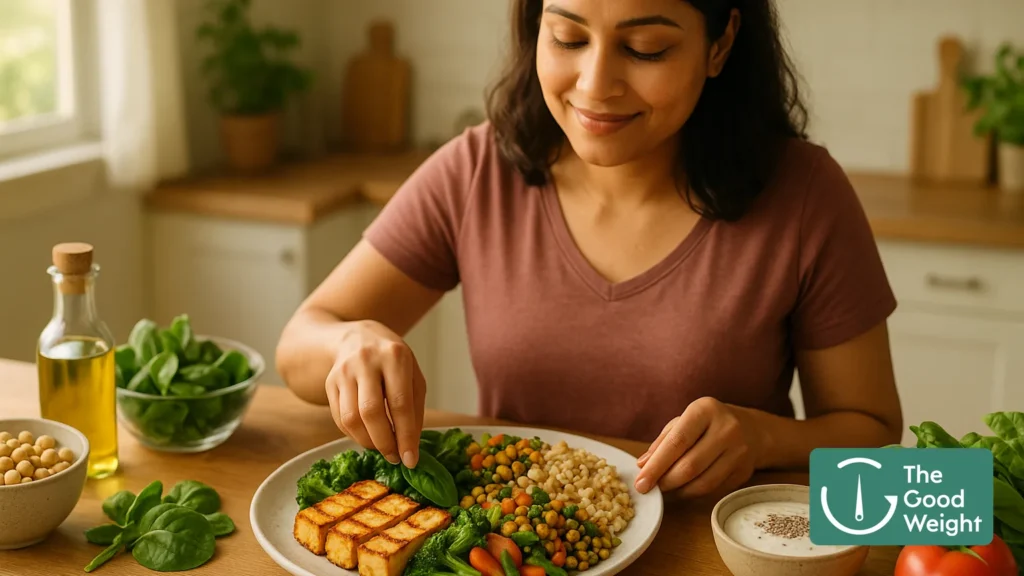
Many women with PCOS feel trapped in a loop. Despite eating carefully and exercising regularly, the scale doesn’t move. The reason isn’t lack of effort – it’s biology. A condition that affects nearly 1 in 10 women worldwide, Polycystic Ovary Syndrome (PCOS) changes how your body processes insulin and stores fat. That means traditional diet plans often fall short because they don’t address the underlying hormonal imbalance.
The good news? A targeted PCOS weight loss diet can help manage symptoms, improve fertility, and support healthy, sustainable weight management. It’s not about cutting calories harshly or skipping your favorite foods – it’s about eating in a way that works with your hormones, not against them.
Understanding Why Weight Loss Is Harder With PCOS
PCOS disrupts insulin sensitivity, leading many women to experience persistent weight gain even with modest calorie intake. Insulin resistance means the body has trouble using glucose for energy, prompting the pancreas to produce more insulin. High insulin levels trigger fat storage – especially around the waist – and make hunger hormones harder to control.
Another key factor is elevated androgens. Women with PCOS often have higher levels of these hormones, which can increase belly fat and slow metabolic rate. Emotional toll adds another layer – stress and poor sleep elevate cortisol, which further worsens cravings and weight retention.
So it’s not just about calories in, calories out. It’s a complex hormonal equation that requires personalized dietary strategies.
The Foundation of an Effective PCOS Weight Loss Diet
Before diving into plans, it helps to understand the essential principles behind a PCOS-friendly eating pattern.
1. Improve Insulin Sensitivity
Focusing on low-glycemic foods – those that don’t cause sharp blood sugar spikes – helps calm insulin fluctuations. Choices like lentils, brown rice, sweet potatoes, chickpeas, and most vegetables are ideal. Pairing carbs with protein or healthy fats can also blunt blood sugar responses.
2. Prioritize Whole and Unprocessed Foods
Packaged snacks and refined sugars drive up inflammation, making PCOS symptoms worse. Building meals around natural ingredients – like seasonal vegetables, legumes, fruits, nuts, and lean proteins – supports hormonal balance.
3. Balance Macronutrients Strategically
A good balance for most women with PCOS is moderate carbohydrates, high protein, and moderate fat. Protein builds lean muscle, helps control appetite, and stabilizes blood sugar. Fats from avocado, nuts, seeds, and olive oil promote hormonal health.
4. Support Gut Health
Gut bacteria play a surprising role in insulin resistance and inflammation. Adding probiotic-rich fermented foods such as yogurt, kefir, or kimchi can support a healthy microbiome.
Building a PCOS-Friendly Weight Loss Diet Plan
Designing a PCOS-friendly weight loss diet plan isn’t about deprivation – it’s about creating steady, satisfying energy throughout the day.
Morning (Breakfast)
- Option 1: Vegetable omelet cooked in olive oil with a slice of multigrain toast.
- Option 2: Greek yogurt bowl topped with chia seeds, berries, and a handful of almonds.
Both options combine protein, fiber, and healthy fats, helping reduce mid-morning sugar cravings.
Midday (Lunch)
- Brown rice or quinoa with mixed beans, sautéed vegetables, and paneer/tofu.
- Side of salad with lemon dressing.
This blend provides slow-digesting carbs that keep insulin steady.
Snack
- Roasted chickpeas or a small apple with peanut butter.
Smart snacks can prevent sudden hunger episodes that often lead to overeating at dinner.
Dinner
- Grilled fish or chicken with steamed broccoli and sweet potato mash.
- For vegetarians: a lentil soup or millet khichdi with ghee and vegetables.
Avoid eating too late – finish dinner at least 2-3 hours before bedtime to support better metabolism overnight.
Indian Meal Options for a PCOS Diet
Cultural fit makes diets easier to follow. Indian cuisine offers countless possibilities for a PCOS-friendly approach. Here are practical swaps:
- Replace white rice with millets like foxtail or jowar.
- Use rotis made from whole wheat, besan, or ragi instead of refined flour.
- Choose homemade paneer, dal, and sabzi cooked in minimal oil.
- Snack on roasted makhana, sprouts chaat, or a boiled egg instead of packaged chips.
Traditional Indian spices – like turmeric, cinnamon, and fenugreek – also have anti-inflammatory properties that support insulin regulation.
Foods to Limit or Avoid
Some foods commonly worsen PCOS symptoms: refined carbs, sugary drinks, bakery items, and processed meats. These trigger inflammation, encourage insulin resistance, and may worsen acne or mood swings. Artificial sweeteners might seem like a harmless swap but can also disturb gut flora and worsen cravings.
Instead, aim for water, buttermilk, or infused teas to stay hydrated throughout the day.
Exercise and Nutrition: Better Together
No diet truly works in isolation. Regular movement improves insulin sensitivity and amplifies fat loss. Strength training, brisk walking, or yoga can all be effective. Women with PCOS don’t necessarily need to spend hours in the gym – a consistent 30-minute workout daily can make a big difference.
Pairing exercise with a PCOS weight loss diet accelerates progress. Tracking your cycles and symptoms alongside your food choices helps identify patterns that work for your body.
Common Mistakes People Make with PCOS Diets
- Overly restrictive diets: Cutting carbs completely can backfire, causing fatigue and hormonal distress.
- Skipping meals: Leads to blood sugar crashes and bingeing later.
- Ignoring lifestyle: Stress and poor sleep undo dietary progress fast.
- Not personalizing the plan: PCOS differs widely. What works for one person may not suit another.
Avoiding these mistakes can make healthy eating habits sustainable for the long term.
The Role of Professional Guidance
Working with a nutritionist familiar with PCOS can help personalize a plan to your metabolic profile. Personalized assessments include reviewing insulin levels, thyroid function, and vitamin deficiencies. Tools like Good Weight specialize in building weight loss systems that adapt to your unique needs – helping you stay consistent while balancing hormones.
Other reputable platforms like veerahealth.com or fitelo.com offer structured diet programs too, but be sure to choose one that emphasizes sustainable habits, not quick fixes.
Realistic Expectations and Progress Tracking
PCOS weight loss tends to be slower – 2 to 4 kilos per month is a healthy range. The goal isn’t drastic weight loss, but symptom improvement: more regular periods, better energy, clearer skin, and improved mood.
Tracking progress is more effective when done holistically. Journal your meals, workouts, and how your body feels; improvements in these areas often precede visible changes on the scale.
Frequently Asked Questions
What is the best type of diet for PCOS weight loss?
A low-glycemic, high-protein, moderate-fat diet tends to work best, focusing on whole foods and minimal sugar. Studies from the National Institutes of Health show that managing insulin load is key to long-term weight management in PCOS.
Can intermittent fasting help with PCOS?
Short fasting windows (like 12-14 hours overnight) may help some women, but long or aggressive fasting can raise cortisol levels and worsen hormonal imbalance. Listen to your body and consult your doctor before trying it.
Is dairy okay for PCOS?
Moderate dairy intake is fine for most people unless it worsens acne or bloating. Opt for plain yogurt and paneer over processed cheese.
How long does it take to see results?
With consistent eating and exercise, many women notice changes in 6-8 weeks – such as better digestion, fewer cravings, and improved skin tone.
Moving Forward
Weight loss with PCOS isn’t about perfection – it’s about consistency and understanding your body cues. You don’t need another restrictive phase or detox drink; you need habits that align with your biology.
If you’re ready for a personalized, supportive approach, visit Good Weight to explore programs designed for long-term results and sustainable health gains.
Learning to nourish yourself the right way isn’t just about hitting a number – it’s about rewriting your health story for good.