
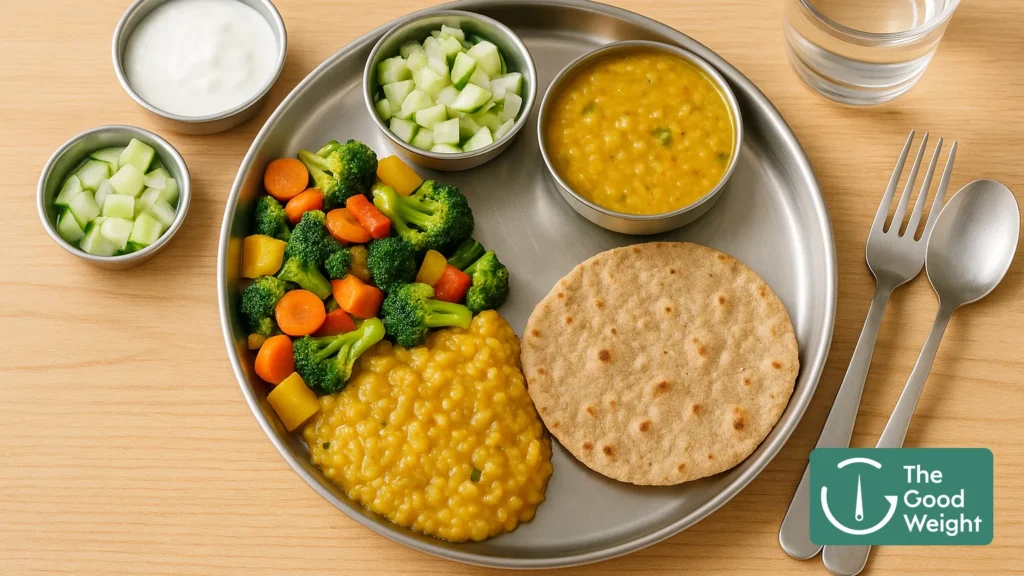
Living with diabetes often feels like walking a nutritional tightrope – trying to manage blood sugar while also keeping your weight in check. Many people struggle to find meals that are both suitable for diabetes and budget-friendly, especially when traditional Indian food is such a central part of daily life. The good news is that with smart portioning, ingredient swaps, and some planning, you can flatten both your glucose spikes and your grocery bills.
A diabetic weight loss diet isn’t about giving up your favorite Indian dishes. It’s about balancing carbs, adding enough fiber and protein, and knowing how much to eat. Done right, it helps stabilize blood sugar, keeps hunger under control, and supports gradual, sustainable weight loss.
At Good Weight, we focus on helping people align cultural food habits with sustainable health goals. What follows is a deeply practical approach to the diabetic weight loss diet, especially suited for Indian foods.
Understanding Diabetes and Weight Loss
Excess weight affects how the body uses insulin. When cells become resistant to insulin, glucose builds up in the blood instead of being converted to energy. This leads to fatigue, cravings, and over time, complications. Weight loss – especially around the abdomen – can improve insulin sensitivity dramatically. Even losing 5-7% of your body weight can make a measurable difference according to Harvard Health.
So, where to start? Focus on foods that keep you full longer, release glucose slowly, and don’t cause rapid spikes in sugar levels.
Creating an Indian Diet Plan for Diabetes and Weight Loss
A well-planned Indian diet doesn’t have to be bland or expensive. The key is portion control and food variety. Each meal should roughly follow this pattern:
- Half the plate: non-starchy vegetables like lauki, spinach, methi, beans, cabbage, or capsicum.
- One-quarter: protein sources such as dal, curd, tofu, or grilled fish.
- One-quarter: complex carbohydrates like brown rice, millets (ragi, jowar, bajra), or whole wheat roti.
Adding healthy fats like a teaspoon of mustard oil or a handful of nuts supports heart health.
Sample One-Day Plan
- Morning (6 AM): Fenugreek water + handful of soaked almonds
- Breakfast: Vegetable upma made with broken wheat + small bowl curd
- Mid-morning: Guava or apple
- Lunch: 1 phulka + ½ cup dal + sabzi + cucumber salad
- Evening snack: Roasted chana + unsweetened tea
- Dinner: Grilled paneer or boiled moong chaat with spinach soup
Keep hydration simple – lots of plain water, lightly infused with mint or cumin if you prefer variety.
Affordable Diabetic Diet Using Indian Foods
Eating healthy with diabetes doesn’t have to drain your wallet. Many low-cost staples fit perfectly into a diabetic weight loss plan:
- Lentils (dal) – Affordable, high in fiber and protein
- Seasonal vegetables – Cheaper and fresher, especially greens like spinach and bottle gourd
- Millets and brown rice – Great alternatives to polished rice, available in bulk
- Cottage cheese (paneer) – A high-protein vegetarian option
- Oats and poha – Inexpensive complex carbs for breakfast
Cooking at home saves costs and lets you measure oil, salt, and sugar accurately. Even small substitutions – like using roasted nuts instead of fried snacks – make long-term differences.
Portion Control for Diabetes: The Indian Way
Portion control is one of the toughest habits to master. Indian thalis often encourage overeating because of variety and hospitality norms. But you can retrain your habits without losing out on flavor.
- Use smaller plates and bowls. Research from Cornell University shows people unconsciously eat less when portions look full.
- Measure cereal portions with small katoris; not the large serving spoon.
- Eat slowly – your body needs around 20 minutes to signal fullness.
- Don’t snack in front of screens.
The trick isn’t to deny cravings – it’s to portion them cleverly. Want dessert? Share a small bowl of kheer made with stevia or almonds instead of sugar-laden sweets.
Healthy Indian Foods for Diabetics
When choosing meals, focus on low glycemic index (GI) foods that keep blood sugar stable.
Top Low-GI Foods:
- Whole grains: barley, brown rice, oats
- Fibrous vegetables: okra, bitter gourd, spinach
- Fruits: apples, pears, guava, berries
- Pulses: chickpeas, kidney beans
- Nuts and seeds: almonds, flaxseeds, chia seeds
Avoid refined flour, packaged snacks, sugary drinks, white rice, and fried items.
Having a mix of raw and cooked vegetables also boosts fiber intake. For added variety, use traditional spices like turmeric and fenugreek – both shown to improve glucose metabolism according to NIH.
Diabetic Weight Loss Indian Recipes
Cooking smartly doesn’t require exotic ingredients. Try these easy meals:
- Moong Sprout Salad – Boil sprouts, mix with chopped cucumber, tomato, onions, lemon juice, and sprinkle chaat masala.
- Lauki Chana Dal Curry – Light and protein-rich, pressure cook bottle gourd with dal, ginger, and cumin.
- Ragi Dosa – Made with fermented ragi batter, cooked on minimal oil.
- Vegetable Soup – Add spinach, beans, and mushrooms. Avoid cornstarch thickeners.
- Oats Poha – Quick, filling, and helps control sugar spikes.
Each recipe keeps oil under one teaspoon and swaps refined carbs with high-fiber options.
Low-Cost Diabetic Meals in India: Weekly Structure
Designing a weekly plan keeps expenses predictable. Here’s how a low-cost approach can look:
- Monday: Roti + chana dal + methi sabzi
- Tuesday: Brown rice + mixed vegetable sambar
- Wednesday: Millet khichdi + curd + cucumber salad
- Thursday: Grilled paneer + sautéed beans
- Friday: Moong dal dosa + coconut chutney
- Saturday: Poha with peanuts + fruit
- Sunday: Home-style chicken curry + red rice (moderate portion)
Each day uses budget-friendly ingredients while staying nutrient-dense.
Common Mistakes People Make
- Skipping meals – leads to hypoglycemia later.
- Overeating healthy food – too many chapatis still raise carbs.
- Ignoring healthy fats – body needs some for hormone balance.
- Falling for commercial “diabetic” snacks – many are still high in refined carbs.
Weight loss should feel sustainable, not like punishment.
Frequently Asked Questions
Can I eat rice in a diabetic weight loss diet?
Yes, but keep portions small and prefer brown rice or millets. Combine with dal or protein so the meal’s GI drops.
Are fruits allowed?
Opt for low-sugar fruits like guava, papaya, or apples. Eat whole fruits, not juices.
Is intermittent fasting safe for diabetics?
It can work under medical supervision, especially if medication doses are adjusted. Always consult your healthcare provider before starting.
How much oil is safe daily?
Around 2-3 teaspoons if you cook balanced meals. Use heart-healthy oils like mustard, groundnut, or olive oil.
How can I control cravings at night?
Drink water or herbal tea, brush your teeth early, or snack on cucumber slices if truly hungry.
Building a Sustainable Routine
Lifestyle modifications sustain progress more than short-term diets. Add at least 30 minutes of walking or yoga, ensure good sleep, and monitor blood sugar regularly. Keeping a food log – using a notebook or apps like Good Weight – builds awareness and accountability.
The goal isn’t perfection; it’s consistency. With time, your energy improves, medication needs may reduce, and managing diabetes feels less like restriction and more like confident control.
Learn more about building your supportive, sustainable lifestyle at Good Weight.