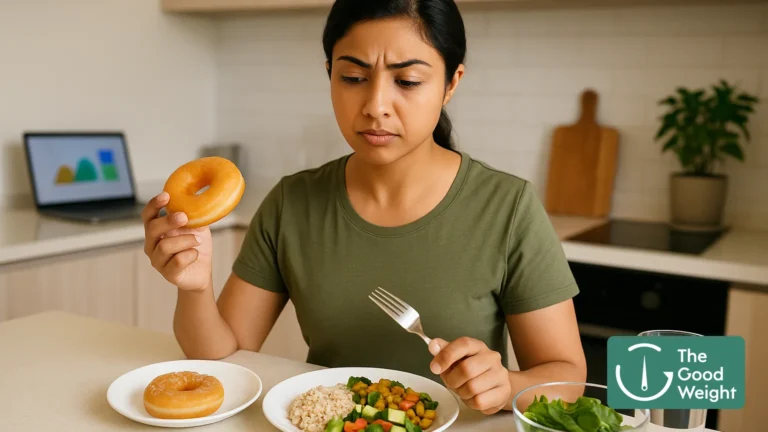

Your metabolism has a big say in your success with weight loss. It decides how quickly your body burns calories, even when you’re not consciously doing much – like sitting at your desk or sleeping. When your metabolism slows down, so does your fat-burning ability. Many people blame it on age or genetics, but the truth is there’s a lot you can do to improve it naturally. At Good Weight, we focus on helping individuals understand how to increase metabolism for weight loss and work with their body, not against it.
A faster metabolism doesn’t mean eating less or working out endlessly. It means tuning your lifestyle so your body efficiently turns fuel into energy. That’s what sustainable weight loss looks like. At Good Weight, we focus on helping individuals understand and work with their metabolism – not against it.
What Metabolism Actually Is
Metabolism is the group of chemical reactions in your cells that convert food into energy. This energy fuels breathing, blood circulation, cell repair, and everything else your body does daily. The total calories your body needs to maintain these functions is known as your Basal Metabolic Rate (BMR).
So, what affects your BMR? A few key things:
- Muscle mass: Muscles burn more calories than fat, even while you rest.
- Age: Metabolism tends to slow down as you grow older due to hormonal and muscle changes.
- Gender: Men generally have a higher metabolic rate than women because of more muscle mass.
- Genetics and health: Thyroid disorders and other hormonal issues can drastically alter metabolism.
The good news is, even though some of these factors are outside your control, others are completely in your hands.
Foods That Help Increase Metabolism for Weight Loss
Eating the right foods can nudge your metabolism upward. You don’t need exotic ingredients – just smart, consistent food choices.
1\. High-Protein Foods
Protein-rich foods have a high _thermic effect of food (TEF)_, meaning your body uses more energy to digest them. Add more eggs, chicken, paneer, lentils, tofu, and Greek yogurt. A good rule of thumb: include a source of protein in every meal.
2\. Fiber-Rich Fruits and Vegetables
Fiber supports gut health, which indirectly affects metabolism. Choose whole fruits, leafy greens, carrots, and beans. They help keep blood sugar stable and prevent overeating.
3\. Green Tea and Coffee
Both contain caffeine and antioxidants that stimulate the nervous system and promote fat oxidation. Studies show green tea catechins can slightly improve metabolism when taken regularly (Harvard Health).
4\. Spices and Herbal Additions
Indian spices like cinnamon, turmeric, cumin, and chili have mild thermogenic effects. Even small amounts in meals can make a difference over time.
5\. Hydrating Foods
Dehydration slows down metabolism. Include soups, cucumber, and citrus fruits to maintain fluid balance.
Workouts That Boost Metabolism
Exercise is one of the most effective tools to improve metabolic rate. Here’s how different workouts work:
Strength Training
Building muscle means you burn more calories even at rest. Focus on compound movements like squats, pushups, and deadlifts. Two or three sessions a week go a long way.
High-Intensity Interval Training (HIIT)
Short bursts of high effort followed by recovery trigger an _afterburn effect_ (EPOC), where your body keeps burning calories after the workout ends. A 20-30 minute HIIT session three times a week can raise metabolism significantly.
Moderate Cardio
Brisk walking, cycling, or swimming a few times a week keeps your metabolism active and your heart strong. Mix it up to prevent plateaus.
Daily Movement
Small things matter: take the stairs, stand during calls, or simply stretch during breaks. Non-exercise activity accounts for a surprising chunk of your daily burn.
Building a Program to Improve Metabolism for Weight Loss
A good metabolism-focused weight loss program, like the ones offered through Good Weight, doesn’t focus solely on diet or exercise. It brings both together systematically.
Step 1: Baseline Assessment
Start with your current metrics – weight, age, activity level, and any health issues. Many programs include a BMR test or body composition scan.
Step 2: Progressive Meal Plan
Structured plans help fuel workouts while maintaining calorie control. Meals should include balanced macros, hydration reminders, and flexible options for vegetarian or regional cuisines.
Step 3: Activity Mix
A well-rounded routine alternates between resistance training, HIIT, and active recovery like yoga or light cardio.
Step 4: Rest and Sleep Optimization
Sleep deprivation lowers leptin levels and increases ghrelin, hormones that regulate appetite. Prioritize 7-9 hours of nightly sleep.
Step 5: Tracking and Adjusting
Use trackers or weekly check-ins to see what works. Small adjustments – like protein breakfast tweaks or adding one extra walk per day – compound over time.
Myths About Metabolism You Should Stop Believing
- “Thin people have faster metabolism.” Not necessarily. Some people maintain weight due to eating habits and activity levels, not an ultra-fast metabolism.
- “Skipping meals helps lose weight faster.” Skipping meals can slow metabolism by signaling your body to conserve energy.
- “Supplements are necessary.” A balanced diet and consistent movement do far more than most over-the-counter ‘fat burners.’
Lifestyle Habits That Support Metabolic Health
Beyond food and workouts, your daily rhythm matters immensely. Stress, sleep, and hormones all tie together to influence how efficiently you burn calories.
- Reduce chronic stress: High cortisol levels promote fat storage and fatigue.
- Stay hydrated: Even mild dehydration can reduce metabolic energy output.
- Eat regularly: Long gaps between meals may reduce TEF.
- Prioritize strength: Muscle loss from inactivity lowers metabolism substantially.
Common Questions About Metabolism and Weight Loss
How can I check whether my metabolism is slow?
Typical signs include fatigue, unexplained weight gain, cold intolerance, and dry skin. However, only proper testing – like thyroid function or BMR analysis – can confirm it.
Does drinking water actually boost metabolism?
To a degree, yes. Drinking half a liter of water can temporarily raise metabolism by about 10%-30% for up to an hour (National Library of Medicine).
Is it harder to boost metabolism after 40?
Age contributes to muscle loss and hormonal changes that reduce BMR, but regular strength workouts and adequate protein intake can offset most of the slowdown.
Are there quick fixes to jumpstart metabolism?
No legitimate shortcuts exist. Consistency across eating, movement, and recovery habits creates lasting change – not short-term cleanses or miracle foods.
Sustainable Results Through Supportive Systems
Improving metabolism isn’t about punishing routines or restrictive meal plans. It’s a process that balances proper nutrition, smart training, and lifestyle awareness. The guidance of programs like Good Weight helps you tailor these changes to your body type and goals, providing practical methods that lead to long-term health.
Your metabolism isn’t broken – it might just need some steady encouragement. Start simple: sleep better, lift something, walk daily, and eat real food. The rest follows naturally.
For more personalized strategies, visit Good Weight and take the first step toward balanced, sustainable weight management.