

Bariatric surgery can be life-changing, but the day of surgery is only the beginning. Many people prepare for the procedure itself and the early weight loss, yet feel less prepared for what recovery actually feels like: fatigue, changing appetite, strict hydration routines, and moments of uncertainty about whether a symptom is normal or not. That uncertainty is especially common when hunger returns sooner than expected or when eating feels harder than friends, family, or online forums suggested it would.
A practical understanding of recovery matters because bariatric surgery works through more than stomach size alone. These procedures affect eating capacity, food tolerance, gut hormones, and metabolic regulation, which is one reason metabolic and bariatric surgery is associated with substantial weight loss and improvement in obesity-related disease. But long-term results still depend on structured aftercare, nutrition follow-up, and timely support when symptoms drift outside the expected recovery path.
This guide walks through what to expect after bariatric surgery, why appetite changes do not always mean something is wrong, which warning signs deserve prompt medical review, and how to judge whether a surgical team offers the kind of follow-up that protects long-term success.
Bariatric Surgery Changes Your Body Quickly, but Recovery Still Takes Time
One of the biggest misconceptions about bariatric surgery is that anatomy changes overnight, so life should feel “fixed” overnight too. In reality, surgery creates a powerful tool, not an automatic result. Your digestive system is healing, your brain is adjusting to new fullness signals, and your routine around fluids, protein, and movement has to be rebuilt with care.
Different operations work in different ways. Restrictive procedures reduce stomach capacity, while bypass-based procedures also change nutrient flow and hormone signaling. Research on gastrointestinal hormones after bariatric procedures shows that appetite regulation can shift through changes in signals such as ghrelin, peptide YY, and GLP-1, helping explain why bariatric surgery affects hunger and satiety through hormonal as well as mechanical mechanisms. That is encouraging, but it also means your appetite cues may feel unfamiliar for a while.
This is why patients do best when they stop expecting a simple “less hunger forever” experience and instead expect phases. Some days you may barely want food. Other days you may notice cravings, emotional eating triggers, or a return of appetite that feels confusing. None of that automatically means failure. It means recovery is active, not passive.
If you are still deciding whether surgery is right for you, it helps to review the broader bariatric surgery treatment options with the expectation that good outcomes come from both the procedure and the support system around it.
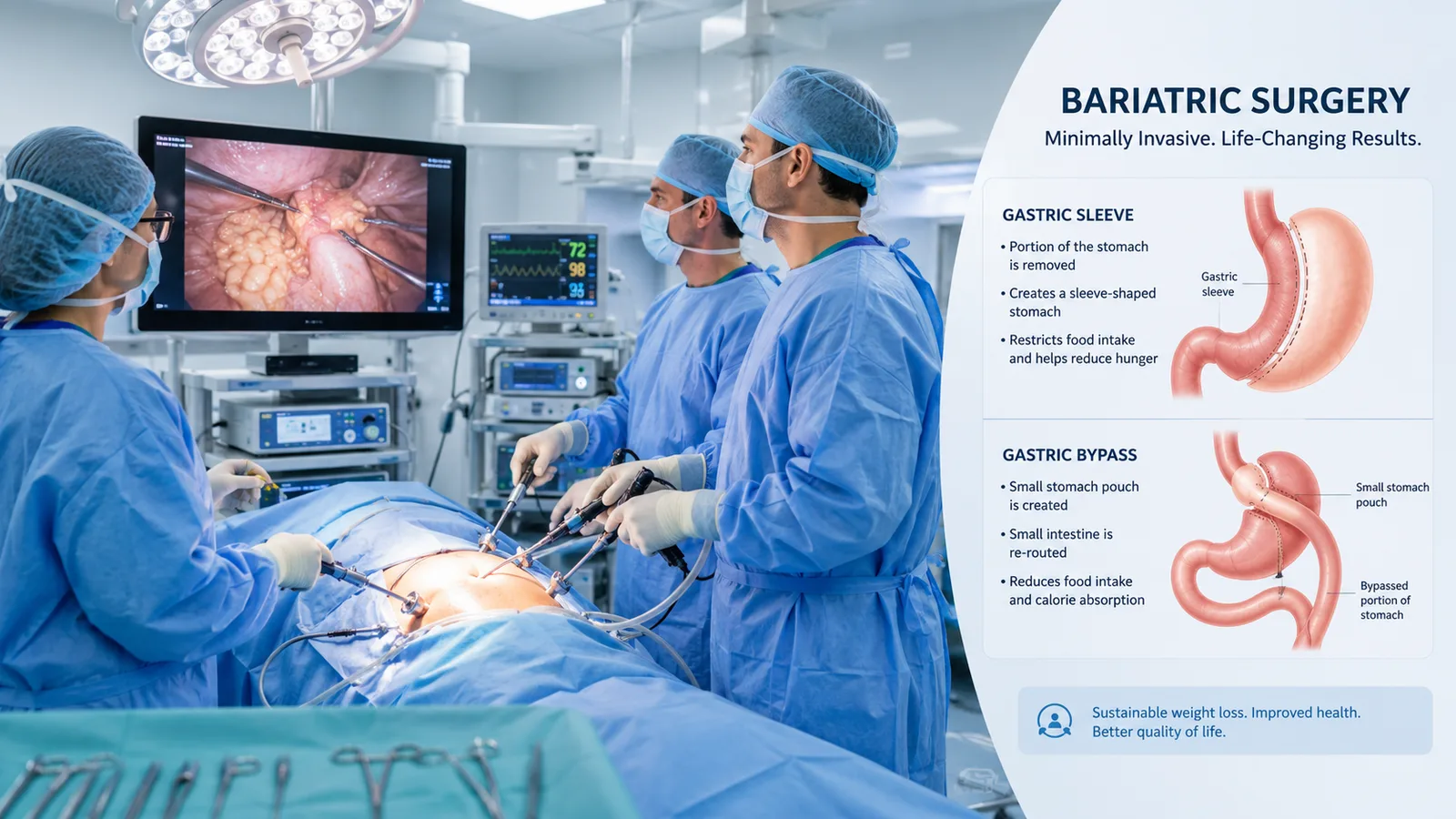
Bariatric Surgery Recovery Timeline: What the First 3 Months Often Look Like
Recovery is not identical for every patient or every procedure, but a timeline framework can make the first few months easier to interpret.
The First Week: Healing, Hydration, and Very Low Energy
The first week after bariatric surgery is usually the most physically demanding. Even when the operation is performed laparoscopically, your body is responding to anesthesia, surgical stress, soreness, swelling, and a major change in how your stomach handles volume. Tiredness is common. So is discomfort with sipping, bloating, and a feeling that even tiny amounts of fluid require concentration.
During this phase, hydration becomes one of the most important jobs of the day. Many patients are surprised by how slowly they need to drink and how easy it is to fall behind. The main priorities are usually clear liquids or other surgeon-approved fluids, frequent small sips, walking several times a day, and monitoring for worsening pain, fever, vomiting, or inability to keep fluids down. The goal is not “normal eating.” The goal is safe healing.
Follow-up matters early because complications and dehydration often show up before people have fully learned their new routine. Studies evaluating postoperative care pathways have emphasized that structured follow-up is an important part of safe bariatric recovery and long-term management.
Weeks Two to Six: Gradual Eating Progression and Better Mobility
By weeks two to six, many patients feel somewhat better than they did in the first few days, but this is often where expectations and reality can drift apart. Energy may improve, yet it is still common to feel tired more easily than usual. Your meal stages may progress from liquids to pureed or soft foods, but the pace should follow your surgeon’s and dietitian’s plan rather than pressure from hunger, boredom, or social situations.
This is also a period where food tolerance varies a lot. One patient may handle yogurt and protein shakes well, while another struggles with nausea or fullness after only a few bites. Eating too fast, taking bites that are too large, or drinking too close to meals can lead to discomfort and vomiting. That is not just unpleasant; repeated vomiting raises concern for dehydration, irritation, and poor nutrient intake.
Movement should expand gradually in this phase. Walking is typically encouraged early because it supports circulation, breathing, and recovery. More vigorous exercise usually waits until your surgical team confirms incision healing and overall readiness. The important mindset is consistency, not intensity.
Months Two to Three: More Independence, but Still Not “Back to Normal”
By months two to three, many people start functioning more independently and may look outwardly recovered. That can be misleading. You may be back at work, more active, and losing weight, but your long-term habits are still being formed. Appetite may begin to feel more noticeable than it did immediately after surgery. Some textures may still sit poorly. Protein goals, meal pacing, vitamins, and hydration still require deliberate effort.
This stage is often where patients benefit most from continued monitoring rather than less. Nutritional deficiencies, maladaptive eating patterns, and uncertainty about “normal” hunger can become more visible over time. Long-term outcome studies have shown that bariatric surgery can deliver strong health benefits, but maintaining results depends on ongoing medical and behavioral support after surgery.
Hunger After Bariatric Surgery: Myth vs Fact
Questions about hunger are some of the most emotionally loaded after bariatric surgery. Many people fear that any hunger means the procedure failed. That is usually not true.
Myth: If You Feel Hungry, the Surgery Did Not Work
Feeling some hunger after bariatric surgery is not automatically a sign of failure. Early after surgery, many people experience a dramatic reduction in appetite. Over time, some hunger cues often return. This can happen because swelling decreases, the body adapts, routines normalize, and hormonal effects settle into a new pattern rather than an extreme one. Research on appetite regulation after surgery supports that changes in hunger are dynamic and vary by procedure and time since surgery.
What matters is the pattern. Mild, predictable hunger before planned meals can be normal. Constant, intense hunger soon after eating, especially with poor restriction or rapid return to old eating patterns, deserves discussion with your care team.
Fact: “Head Hunger” and Physical Hunger Are Not the Same
Physical hunger tends to build gradually and improves with appropriate food. Head hunger is more often linked to habit, stress, boredom, smell, cravings, or social cues. After bariatric surgery, patients can still want food emotionally or psychologically even when the stomach is physically full.
This distinction matters because surgery changes anatomy, not life stress. If you reach for food when anxious, isolated, or overstimulated, those urges can still show up. In some cases, they feel even more noticeable because the usual coping pattern is interrupted. That is one reason multidisciplinary care matters so much after surgery.
Fact: Appetite Return Can Be Normal, but Context Matters
If hunger begins to return in the second or third month, that may be part of the normal adjustment process. It becomes more concerning if it is paired with persistent vomiting, inability to meet protein goals, uncontrolled grazing, severe reflux, or a dramatic shift in tolerance that feels worse rather than better. Studies of revisional and long-term bariatric outcomes show that anatomic and behavioral factors can both influence postoperative symptoms and weight trajectories.
For patients worried about whether their symptoms reflect adaptation or a more complex issue, it can help to know that redo bariatric surgery is sometimes considered in selected cases, but that decision is far downstream from ordinary appetite changes. First-line evaluation should focus on intake patterns, hydration, eating speed, symptom timing, and surgical follow-up.
Red Flags After Bariatric Surgery: When to Call Your Doctor
Some discomfort is expected after bariatric surgery. Certain symptoms are not. If you are unsure, it is better to ask early than wait until dehydration or a complication becomes harder to correct.
Call your care team promptly if you have ongoing vomiting
Occasional nausea may occur, especially when diet stages advance. Repeated vomiting is different. It can signal intolerance, narrowing, irritation, or eating progression that is moving too quickly. It also makes dehydration much more likely.
Call if you cannot tolerate fluids
An inability to keep down fluids is one of the most important warning signs after bariatric surgery. Dehydration can escalate quickly because sipping capacity is already limited. Clinical reviews of postoperative bariatric care note that dehydration is a common reason for early medical contact and readmission after surgery.
Call if pain is severe, worsening, or paired with rapid decline
Expected soreness should gradually improve. Severe pain, increasing abdominal pain, chest pain, shortness of breath, or a clear sense that you are rapidly getting worse deserves urgent assessment. Do not dismiss serious symptoms because you assume recovery is supposed to be miserable.
Call if you have signs of dehydration
These may include dizziness, very dark urine, minimal urine output, racing heart, dry mouth, weakness, or confusion. If you cannot catch up with fluids by sipping at home, medical support may be needed. The stakes are higher after surgery because even a short period of poor intake can affect recovery.
Call if emotional overwhelm is stopping you from eating or drinking
Mental health symptoms are not separate from physical recovery. If anxiety, panic, depression, or fear of eating is making it hard to meet fluid and protein goals, that is a medical follow-up issue too. Evidence suggests that psychological health remains an important part of bariatric outcomes and postoperative monitoring.
If you are recovering locally, choosing a center with accessible support can make these moments easier to manage, especially when your team has clear escalation processes and in-person review options such as those described by a bariatric surgery hospital in Chennai.
How Follow-Up Nutrition Protects Your Results
Nutrition after bariatric surgery is not just about eating less. It is about eating in a way your healing digestive system can manage while preserving muscle mass, supporting energy, and reducing avoidable complications.
Protein is one of the most important priorities. Because overall intake is sharply reduced, each eating opportunity needs to count. Many bariatric programs set specific daily protein targets, often using shakes or supplements early on until food intake becomes more reliable. Reviews of long-term postoperative care emphasize that adequate protein intake and routine micronutrient monitoring are central to bariatric nutrition management.
Texture progression also matters. Patients usually move from liquids to pureed foods, then soft foods, then more regular textures in stages. Advancing too quickly can trigger pain, vomiting, or food aversion. Staying too restricted for too long can also make it harder to meet nutrition goals. This is why individualized dietitian follow-up is so valuable: the right pace depends on tolerance, symptoms, and the specific procedure performed.
Meal pacing is another major success factor. Small bites, thorough chewing, and stopping at the first sign of pressure or fullness are not minor details. They are core skills. Many postoperative symptoms that feel alarming at first are actually linked to eating too quickly or taking one bite too many. On the other hand, patients who learn pacing early often tolerate progression more smoothly and feel more confident.
Long-term success also depends on continued dietary structure after the first few months. Surgery changes capacity, but it does not remove the need for planning. Grazing on calorie-dense foods, skipping protein, and treating surgery as permission to stop nutrition follow-up can gradually undermine results. Evidence on long-term outcomes continues to show that bariatric surgery works best when paired with sustained lifestyle and medical support.
Questions to Ask Before Choosing a Bariatric Surgery Team
The quality of follow-up care can shape your experience just as much as the operation itself. Before choosing a team, ask practical questions, not just procedural ones.
First, ask how they determine candidacy. BMI still plays a major role in bariatric eligibility, though modern evaluation increasingly considers metabolic disease and overall health risk as well. Contemporary guidance reflects that patient selection for metabolic and bariatric surgery is evolving beyond older BMI-only thinking.
Second, ask who supports you after surgery and how often. Will you see the surgeon only once or twice, or is there a structured schedule over months and years? Ask whether a registered dietitian is part of routine care, whether behavioral health support is available, and how the team handles problems between appointments.
Third, ask about emergency pathways. If you cannot keep fluids down on a weekend, who do you call? If you develop new pain, can they assess you promptly? A strong program should be able to explain exactly how urgent concerns are triaged.
Finally, ask how they define long-term success. If the answer is only “weight loss,” the picture is incomplete. The better answer includes nutritional adequacy, symptom management, physical function, metabolic improvement, and a sustainable support system.
FAQ
Is hunger a sign the surgery failed?
No. Some hunger returning over time can be normal. What matters is whether the hunger is mild and structured around meals or intense, constant, and linked with problematic eating patterns or worsening symptoms. If you are worried, discuss it early with your care team instead of assuming the worst.
How much recovery time is normal?
Most people need several weeks to regain energy and several months to feel more settled into their new eating routine. You may look “recovered” before your body and habits are fully adjusted. Recovery is usually better understood in phases rather than a single finish line.
When can I exercise?
Walking is commonly encouraged very early, often within days, unless your surgeon advises otherwise. More strenuous exercise, abdominal strain, or lifting should wait until your surgical team clears you based on healing, energy, and procedure type. Start gradually and build consistency first.
Do I still need a diet plan after surgery?
Yes. Bariatric surgery is a medical tool, not a replacement for nutrition structure. You still need a staged eating plan early on, protein-focused meals, hydration goals, vitamins, and long-term follow-up. Without that framework, weight loss and overall well-being are harder to protect.
The Bottom Line
Bariatric surgery can be a powerful step toward better health, but it is not a one-day fix. Recovery unfolds over weeks and months, appetite changes are more nuanced than many people expect, and some symptoms deserve prompt medical review rather than watchful waiting. The patients who do best usually have realistic expectations, consistent nutrition follow-up, and a team they can reach when something does not feel right.
If you are considering your options, speak with Good Weight about whether surgery, non-surgical care, or doctor-led medical weight loss is the right fit for your goals. Before making any procedure decision, ask for a clear follow-up plan so you know not just how the surgery works, but how your long-term well-being will be supported after it.