
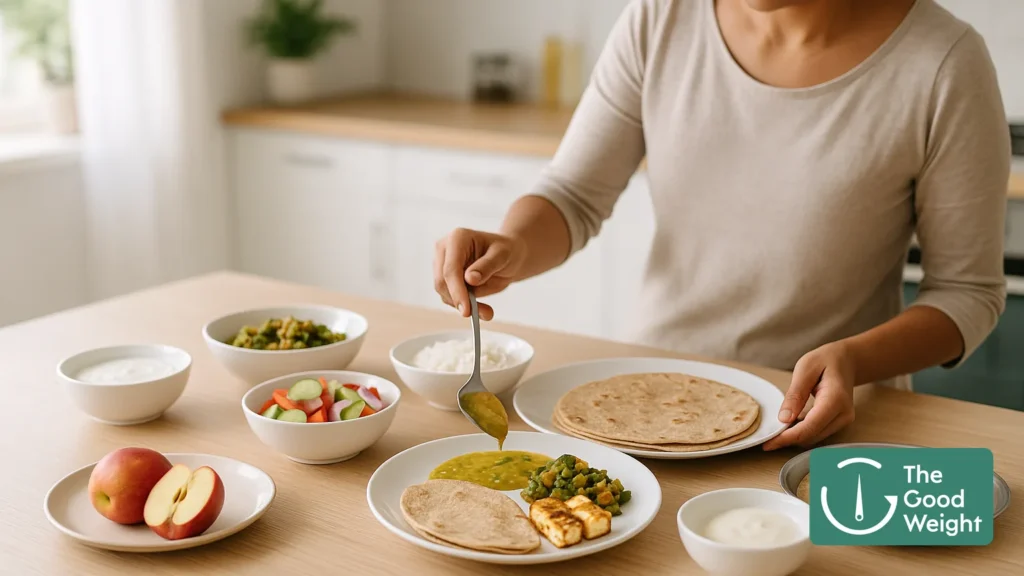
If you have ever started a strict plan on Monday, eaten boiled vegetables and tiny portions for two days, then found yourself standing in the kitchen by Thursday night looking for anything satisfying, you are not the problem. The plan is. A weight loss diet often fails not because people lack discipline, but because the diet asks them to eat in a way they cannot realistically continue.
That matters more than most people realize. Research on long-term obesity care consistently shows that weight regain is common when treatment is not built for maintenance, which is exactly why short bursts of restriction rarely create lasting results. A better approach is simpler: build your meals around foods you already eat, improve the structure, and repeat that structure often enough that it becomes normal life. That is how a weight loss diet becomes sustainable.
What a realistic weight loss diet actually looks like
A realistic plan is not a list of foods you must avoid forever. It is a repeatable pattern that helps you eat slightly fewer calories while staying full, nourished, and sane. In practice, that usually means each meal includes a strong protein source, plenty of fiber-rich foods such as vegetables, fruit, beans, or whole grains, and a sensible portion of energy-dense foods like rice, roti, oil, nuts, or desserts rather than trying to remove them completely.
This structure works because hunger is not just about willpower. Protein and fiber both support fullness, and higher-protein approaches have been associated with better appetite control and support for body fat reduction during weight loss. That is why eating to lose fat should feel more like assembling balanced plates than chasing “diet foods.” For example, dal with sabzi and one or two rotis is very different from eating four rotis with little protein and hardly any vegetables, even if both meals look familiar.
A satisfying meal can be built with a simple visual check. Start with protein: dal, chana, rajma, curd, paneer, tofu, eggs, chicken, fish, or Greek yogurt if available. Add vegetables or another fiber-rich component: sabzi, salad, fruit, sprouts, or soup. Then include carbs or fats in portions that match your hunger and goals: roti, rice, poha, upma, dosa, nuts, seeds, or a little ghee or oil. You do not need perfect macros to make progress; you need a pattern that reduces mindless overeating.
Build meals, not bans
Most people do better when they stop asking, “What am I not allowed to eat?” and start asking, “How do I build breakfast, lunch, dinner, and snacks so I am not starving later?” That shift reduces decision fatigue. It also makes your eating more stable across workdays, weekends, social meals, and family routines.
Try using meal templates instead of strict rules. For breakfast, think: protein plus fiber plus something enjoyable. That could be vegetable omelette with toast, curd with fruit and seeds, besan chilla with dahi, or oats cooked with milk and topped with nuts. For lunch, think: protein dish plus vegetable dish plus controlled starch. For snacks, think: something that actually takes the edge off hunger, such as fruit with peanuts, roasted chana, buttermilk, boiled eggs, or curd with cucumber.
This matters because a successful diet to burn fat usually depends less on “special” foods and more on consistent calorie awareness without feeling deprived. Evidence comparing popular diet patterns suggests that many structured diets can produce weight loss in the short term, but differences shrink over time and adherence becomes the deciding factor. In other words, the best plan is usually the one you can repeat long enough for it to work.
A useful formula for most meals is this: half your plate from vegetables or other high-volume foods, one quarter from protein, and one quarter from carbs, with fats used intentionally rather than invisibly. You can apply that to Indian meals, office lunches, restaurant plates, and home dinners without turning every meal into math.
Easy meal ideas that support fat loss
Once you stop chasing perfection, meal planning becomes more practical. You do not need an “ideal” menu; you need enough solid options that you can rotate them during a busy week. This is where many people overcomplicate things. They search for an indian diet chart for weight loss when what they really need is a short list of balanced meals they can make, order, or assemble with minimal effort.
Here are realistic ideas:
- Breakfast: vegetable poha with extra peanuts and curd on the side; two moong dal chillas with paneer filling; eggs with sautéed vegetables and one slice of toast; plain dahi with fruit, seeds, and a small handful of nuts.
- Lunch: two rotis with chicken curry and sabzi; rajma rice with extra salad and a portion-controlled serving of rice; paneer bhurji with cucumber raita and one roti; sambar, vegetable poriyal, and a modest rice portion.
- Snacks: roasted chana, fruit with curd, buttermilk, sprouts chaat, boiled eggs, or a homemade paneer bowl with tomatoes and spices.
- Flexible treats: if you enjoy mithai, namkeen, or takeout, keep them in your week in portions that do not turn one meal into an all-day overeating cycle.
Portion adjustments matter more than food elimination. If you love rice, keep the rice and increase the dal, vegetables, or grilled protein beside it. If you enjoy parathas, pair one with curd and eggs or paneer instead of eating several and staying hungry again two hours later. Research in Asian Indian populations has found that higher-protein, structured meal approaches can improve weight and cardiometabolic markers, which reinforces the practical point: adding enough protein to familiar meals can make them work better for fat loss.
If you want more foundational reading on meal-based planning, Good Weight’s guide to diet and weight loss and overview of diet-based weight loss can help you think in patterns rather than quick fixes.
Dinner ideas that feel normal and still help you lose weight
Dinner is often where a good day unravels. You get home tired, very hungry, and ready to “finally eat properly,” which can easily turn into oversized portions. The fix is not to make dinner tiny. The fix is to make it filling enough, but lighter in structure than your usual overeating pattern.
Good dinner ideas to lose weight include meals that combine protein, cooked vegetables, and a moderate starch portion so you finish satisfied without feeling heavy. For example, try two egg bhurji wraps made with one roti each and lots of onion, tomato, and capsicum. Or have grilled paneer or chicken with stir-fried vegetables and a small serving of rice.
Other solid options include a dal soup with sautéed vegetables and one roti, curd rice made with a controlled rice portion plus cucumber and a side of chana salad, or fish curry with vegetable sabzi and one small serving of rice. If your family eats the same dinner, simply reduce the extra oil, serve vegetables first, and keep second helpings more protein-based than carb-based. You do not need separate “diet food” to make dinner work.
High-volume foods that keep you full
The less full you feel, the harder any plan becomes. That is why high-volume foods matter. These are foods that take up more space in the stomach for relatively fewer calories, especially when they are rich in water, fiber, or protein. They help create satiety without making you feel like you are constantly fighting cravings.
Vegetables, fruit, dals, beans, curd, soups, and lean proteins are especially useful here. Reviews on dietary strategies for obesity note that higher-protein diets can improve satiety and help preserve lean mass during weight loss, while fiber-rich foods can make meals more satisfying and easier to control. That does not mean every meal needs to be a huge salad. It means adding volume intelligently: more lauki, bhindi, gobi, spinach, cucumber, carrots, tomato, fruit, or broth-based soups around the foods you already enjoy.
For people looking up salad recipes for weight loss, the key is not just “eat salad.” A helpful salad meal includes substance: chickpeas, sprouts, paneer, eggs, tofu, or chicken along with crunchy vegetables and a simple dressing. Otherwise, you may end up hungry and searching for biscuits an hour later. The same principle works with soups and curd bowls too: volume helps, but volume plus protein works better.
Common mistakes that make a weight loss diet feel unbearable
One common mistake is cutting too much food too quickly. Very low-calorie plans can create fast early losses, but they also tend to increase fatigue, preoccupation with food, and rebound eating when normal life returns. Studies comparing different energy restriction strategies suggest that adherence and behavioral sustainability are central to long-term outcomes. If your plan feels impossible by week two, that is useful feedback, not failure.
Another mistake is skipping meals to “save calories,” then overeating at night. This pattern is especially common among busy professionals who drink tea or coffee all day and then attack dinner. A more stable routine usually works better: a real breakfast if mornings are your hunger window, a proper lunch, and a planned snack if evenings are risky.
A third mistake is treating one indulgent meal as proof that the whole week is ruined. That mindset often leads to all-or-nothing eating, where one restaurant dinner turns into three days of abandoning structure. Sustainable fat loss is not built on perfection. It is built on getting back to your next balanced meal quickly.
Finally, many people rely on complicated rules instead of simple systems. If your weight loss diet requires separate groceries, social isolation, and constant mental negotiation, it probably will not last. Most successful plans look ordinary from the outside. They are just a little more structured, a little more protein-focused, and a lot more consistent. Readers who want a more tailored approach, especially women navigating hormonal or life-stage challenges, may also find Good Weight’s resources on female weight loss diet useful.
Conclusion: start with one repeatable meal
A good weight loss diet should make your life easier, not harder. The goal is not to eat perfectly or to fear your favorite foods. The goal is to build balanced meals with enough protein, enough fiber, and sensible portions so that you can keep going long enough to see fat loss happen.
Start small this week. Pick one meal you eat often, such as breakfast or dinner, and rebuild it using the template from this article: protein, vegetables or other fiber-rich foods, and a controlled portion of carbs or fats. Repeat that meal several times before changing everything else. If you want more practical support for building sustainable habits, explore Good Weight for guidance designed around real life, not restriction.