
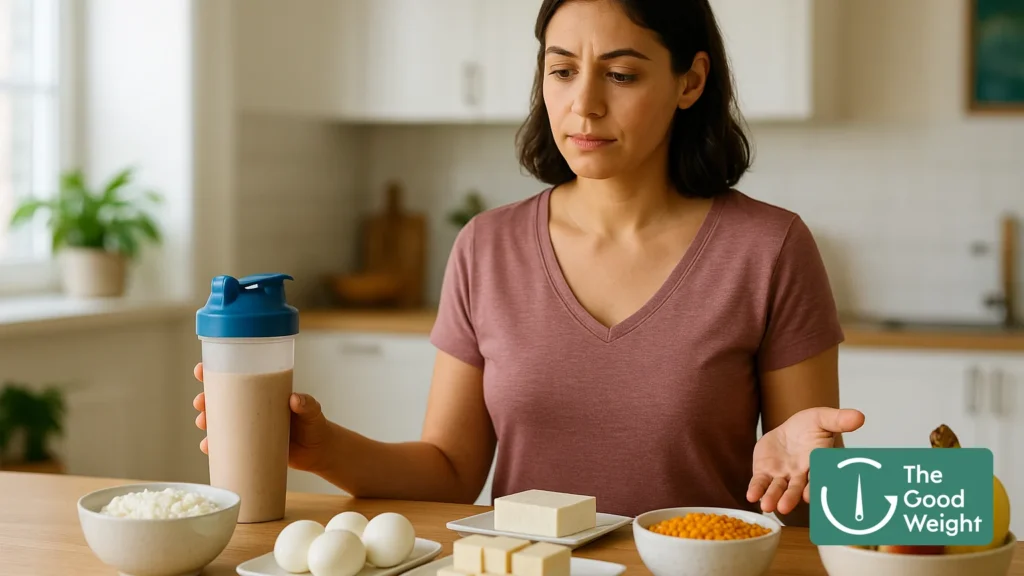
If you are considering protinex powder for weight loss, the real question usually is not “Which powder is best?” It is “Am I genuinely falling short on protein, or am I hoping a supplement will fix a routine that is inconsistent in bigger ways?” That distinction matters, because protein powder can be useful, but it is not a substitute for a sustainable eating structure, realistic calorie control, enough sleep, or regular meals.
For many women, the interest in protein supplements starts from a very practical place. Breakfast gets skipped, lunch is delayed, appetite is low in the morning, or vegetarian meals end up heavier in carbohydrates and lighter in protein than expected. In those cases, a product like protinex powder may help fill a real gap. But if the core issue is chaotic eating, under-recovery, emotional snacking, or relying on highly processed “health drinks,” buying another tub often adds cost and confusion rather than progress.
This guide will help you sort out when protein powder is genuinely supportive, when it is unnecessary, and how to build a food-first plan that actually helps you achieve your weight goals.
The first question to ask: is protein really the missing piece?
When weight loss feels slow, protein is often blamed too quickly. Yes, low protein intake can make a calorie deficit harder to maintain because meals may feel less satisfying and muscle retention may be poorer. But many stalled plans are really affected by inconsistent meal timing, untracked extras, poor sleep, low activity, or repeated cycles of “eating healthy” on weekdays and losing structure on weekends. In those situations, protinex powder may improve one detail without solving the bigger pattern.
A better starting point is to look at your actual day. Are you eating meals that contain a meaningful protein source two to four times per day? Do you routinely go five or six hours without eating and then overeat later? Are you relying on tea, biscuits, toast, fruit alone, or packaged snack foods for long stretches? If the answer is yes, then protein may indeed be part of the problem. But the problem is not just “no supplement.” It is an eating pattern that lacks stability.
This matters because protein works best when it supports a complete structure. Women trying to lose weight often do better with regular, balanced meals than with isolated nutrition products. If a powder is added into a routine that is already unstable, it can become another short-term fix instead of a practical support tool.
What protein actually helps with during weight loss
Protein has a helpful role in a fat-loss phase, but it is important to stay realistic about what it can and cannot do. It does not “melt fat,” speed up weight loss on its own, or compensate for a calorie surplus. What it can do is make a weight-loss plan easier to follow.
One reason is fullness. Protein tends to be more satiating than many refined carbohydrate foods, which can help reduce hunger between meals and improve meal control. Research on protein and weight management has found that higher-protein approaches can support satiety, body composition, and adherence during energy restriction. That does not mean more is always better, but it does explain why a breakfast with curd, eggs, paneer, tofu, or a protein-fortified option often feels more stable than tea and toast alone.
Protein also helps protect lean mass. During weight loss, the goal is not simply to become lighter. The goal is to lose body fat while preserving as much muscle as possible, especially if you are exercising. Clinical guidance in the NIH Bookshelf notes that adequate protein is important for maintaining muscle mass and function, particularly during weight reduction and aging. That matters for metabolism, strength, recovery, and long-term well-being.
There is also a consistency benefit. When meals contain enough protein, many women feel less “snacky,” less likely to crash mid-afternoon, and more able to stick to their calorie target without feeling deprived. A recent review also highlighted that protein supplementation may improve body composition and support exercise-related outcomes in some adults when used appropriately. The key phrase is “used appropriately.” Protein is supportive, not magical.
When a supplement like protinex powder is genuinely useful
Protein powder can make sense when it solves a real logistical problem that whole food is not reliably solving. The most obvious example is the woman who skips breakfast because mornings are rushed or appetite is low. If she cannot tolerate a full meal but can manage milk or curd blended with protein powder, that may be far better than running on caffeine until noon and overeating later.
Another common situation is a long workday. If meetings run back-to-back and lunch is delayed, carrying a protein shake is sometimes more realistic than expecting a freshly cooked meal. For vegetarian women, this can be especially helpful because protein intake may look adequate in theory but end up uneven in practice. Surveys in India have also shown meaningful nutrition gaps in disease-management settings, including findings that 73% of surveyed adults with diabetes had nutritional deficiencies and many struggled to meet daily protein needs. While that survey is not a weight-loss study, it reflects a broader reality: many adults do not consistently meet protein requirements through routine eating.
Post-workout convenience is another valid use case. If you train after work and dinner will be delayed, a shake can bridge the gap and reduce the chance of arriving home overly hungry. It is not that muscles demand a fancy supplement. It is that convenience improves follow-through. In real life, the best nutrition plan is often the one you can repeat on your busiest days.
Low-appetite periods matter too. Some women, especially during stress, hot weather, illness recovery, or early mornings, simply do better with liquids than solids. In that case, protinex powder or a similar supplement may be a practical addition. The benefit comes not from the brand name alone, but from whether the product helps you reach a useful protein target without replacing all normal meals.
When protein powders are overused, overhyped, or misleading
Where women get into trouble is when supplements move from “backup plan” to “main strategy.” A shake can be useful, but it may not be as filling as a balanced meal with fiber, chewing, and volume. If you drink a sweet supplement at 8 a.m. and feel hungry again at 10 a.m., that does not mean protein failed. It may mean the product was low in total protein, high in sugar, or missing enough fiber and food volume to keep you satisfied.
This is especially relevant because not all products marketed as health drinks are nutritionally strong. Consumer reviews of health drinks in India have documented that many popular products contain added sugars and vary widely in actual protein quality. More recently, reporting on independent testing drew attention to quality concerns and high sugar levels in several pharma-grade protein powders sold in India. That does not mean every powder is poor. It means label-reading matters, and branding alone should not earn your trust.
Another red flag is replacing balanced meals too often. A powder should not become the default substitute for lunch and dinner while vegetables, fruit, legumes, sleep, and calorie awareness are ignored. Even newer evidence on protein supplementation emphasizes context. A recent publication found that protein’s effects on weight-related outcomes depend on total diet, exercise, and overall energy balance rather than supplementation alone. In simple terms, a scoop cannot do the work of a complete routine.
A practical checklist can help. Be cautious if the product is very sweet, if the label hides the actual grams of protein per serving, if calories rise mostly from sugar rather than protein, or if you are using it because your meals are consistently disorganized. In those cases, the better investment may be meal planning support rather than another supplement. If you are trying to understand whether broader health issues are affecting appetite, fatigue, or progress, Good Weight’s page on diagnostic tests and products may also help you think more systematically.
A food-first framework that usually works better
Before buying protinex powder, it helps to audit your normal meals. Many women can improve protein intake significantly without relying heavily on supplements. Breakfast might shift from plain toast to Greek yogurt or curd with seeds, eggs with roti, paneer bhurji, or a dal chilla. Lunch can improve with a more deliberate protein anchor such as dal plus curd, rajma plus paneer, tofu with rice, chicken, fish, or eggs, depending on your food preferences. Dinner often becomes stronger when the protein source is chosen first rather than added as an afterthought.
A good rule is to think in “protein anchors,” not in random healthy foods. Fruit is healthy, but it is not a protein source. Oats are useful, but on their own they are not high-protein. Salad is valuable, but not enough if it contains little else. When you build meals around one clear protein source and then add vegetables, carbs, and fats in sensible portions, hunger usually becomes more predictable and weight loss feels less fragile.
Supplements can still fit into this framework. For example, you might use whole food at lunch and dinner, then keep one shake for rushed mornings or post-workout days. That is very different from depending on powders because regular meals were never planned properly. If you want support building that structure rather than chasing product claims, you can explore personalized guidance through Good Weight.
There is also a mindset advantage to this food-first approach. It shifts you away from “What should I buy?” and toward “What pattern can I sustain?” That is where long-term results come from. If you are still comparing products, even a small clue like how a brand’s public content is framed can be informative; reading through forums will show what readers are repeatedly confused about, including supplement expectations versus real nutrition habits.
FAQ
Is protinex powder safe to take every day?
For most healthy adults, a protein powder can be used daily if it fits total intake and the product is from a reliable source. The bigger concern is not daily use itself, but whether the powder is high in sugar, poor in quality, or displacing normal meals too often. If you have kidney disease, a medical condition, or highly specific nutrition needs, it is worth getting professional advice first.
Will protein powder help women lose weight faster?
Not automatically. Protein powder can make weight loss easier when it improves fullness, helps preserve muscle, and prevents long gaps between meals. But fat loss still depends on overall calorie balance, meal quality, activity, sleep, and consistency. A shake helps only if it solves a real problem in your plan.
What should I check before buying one?
Look at protein grams per serving, added sugar, total calories, ingredient quality, and whether the product fits your actual routine. Also ask whether you need it at all. If breakfast is the only weak point, one targeted solution may be enough. If every meal is irregular, the better answer is to rebuild your eating structure first.
The bottom line
Protinex powder can be helpful for women trying to lose weight, but only when it fills a genuine gap: skipped breakfasts, vegetarian protein shortfalls, busy workdays, post-workout delays, or low-appetite periods. It is not a shortcut around inconsistent meals, poor sleep, or an unsustainable plan. The most effective approach is usually food first, supplement second.
Before buying another product, audit your real meal gaps for a week. Notice where hunger, convenience, and low protein intake are actually getting in the way. If you want help deciding whether a supplement belongs in your plan, or whether your progress problem is really somewhere else, consider a personalized consultation through Good Weight.