
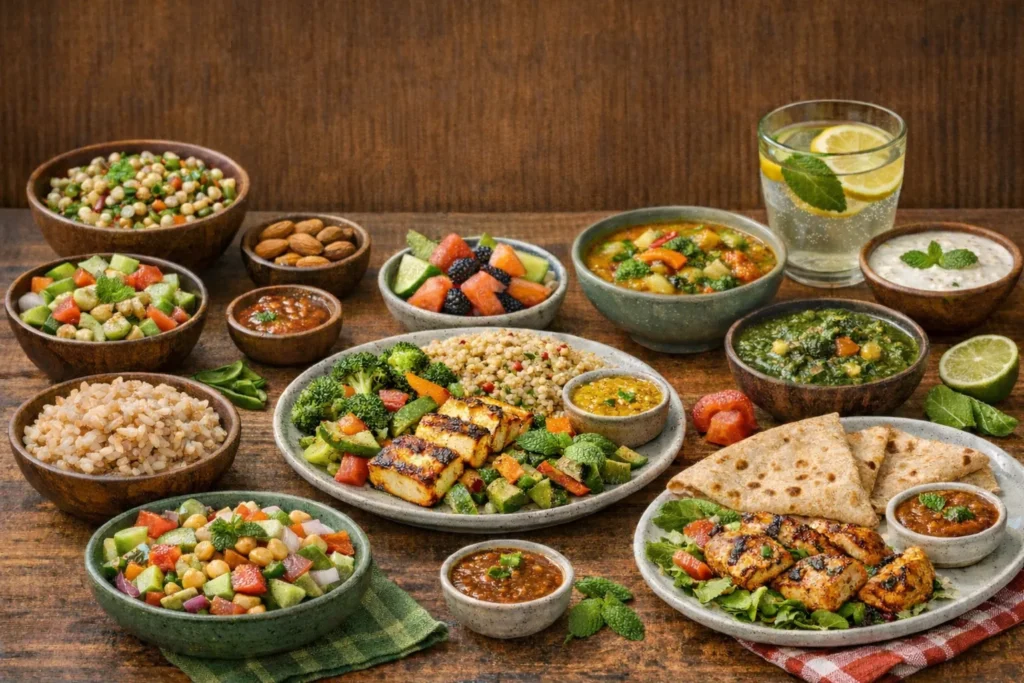
Losing weight the healthy way in an Indian household isn’t about eating bland salads or giving up your favorite meals. The truth is, with the incredible diversity of Indian food – from idli and dal to bajra roti and paneer – you can create a smart, sustainable Indian diet plan for weight loss that works with your lifestyle, not against it.
Finding the right approach can feel confusing. Low-carb diets, intermittent fasting, and detox cleanses often flood social media, but many of them don’t fit the Indian palate or are too restrictive. What actually works is balance – a personalized Indian meal plan that honors local food habits while helping you reach your health goals.
At Good Weight, we focus on sustainable, adaptable plans that help you maintain a healthy relationship with food while achieving visible results. You’ll learn how to make small, smart swaps that add up to long-term success.
Why a Personalized Indian Diet Plan Works
Every region in India eats differently – rice in the South, parathas in the North, millet in the West. A personalized diet takes this regional diversity into account, adjusting portion sizes, cooking styles, and ingredient preferences.
For instance, someone in Chennai might eat steamed idlis with sambar for breakfast, while someone in Punjab may prefer stuffed rotis with curd. Both can fit into a weight loss plan by balancing macronutrients – protein, carbs, and fats – without sacrificing taste.
A personalized approach also accounts for factors like your daily activity level, metabolism, and any medical conditions such as diabetes or PCOS. For example, a PCOS weight loss plan might emphasize low-glycemic grains and high-protein meals to manage insulin resistance.
The Core Principles of an Indian Diet Plan for Weight Loss
A balanced Indian weight loss plan should do three things: fuel your body efficiently, prevent cravings, and promote consistent energy throughout the day. Here’s how to make that happen.
1. Prioritize Whole Grains
Switch white rice for brown rice, millets, or quinoa. These keep you full for longer and stabilize blood sugar levels.
2. Add Protein to Every Meal
Lentils, legumes, paneer, tofu, eggs, and lean meats are great options. Protein increases metabolism due to the thermic effect of food – your body burns more calories digesting it (Harvard Health Publishing).
3. Control Oils and Portions
Cooking oils like mustard or coconut are fine in moderation, but track how much you use. A tablespoon per meal is a good benchmark.
4. Eat Fiber-Rich Foods
Add salads, leafy vegetables, and fruits. Fiber slows digestion, helping you avoid overeating.
5. Hydrate and Eat Mindfully
Drink 2-3 liters of water per day. Eat slowly – your body needs time to register fullness.
Sample Indian Meal Plan for Weight Loss
Here’s a structure you can adapt based on your preferences – vegetarian or non-vegetarian.
Morning (6:30 am – 7:00 am): Warm lemon water or green tea.
Breakfast (8:00 am): Vegetable oats upma / 2 boiled eggs with a small bowl of sprouts.
Mid-Morning Snack (10:30 am): A fruit like apple or guava.
Lunch (1:00 pm): Brown rice or millet roti with dal, sabzi, and salad.
Evening Snack (4:00 pm): Roasted chana or a handful of nuts.
Dinner (7:30 pm): Moong dal soup or grilled paneer with sautéed veggies.
This plan delivers around 1200-1500 kcal depending on portion sizes. You can find other examples of balanced plans at 10 Smart Diet Plans for Weight Loss.
Vegetarian Diet for Weight Loss
A vegetarian diet works brilliantly for weight loss when planned around protein and fiber. Lentils, chickpeas, paneer, soy chunks, and Greek yogurt are excellent protein sources. Combine these with complex carbs like brown rice or quinoa for balanced meals.
To keep your meals interesting:
- Rotate grains: millets, oats, barley.
- Add probiotics like curd for gut health.
- Use spices like turmeric, cumin, and black pepper – they add flavor and support metabolism (National Center for Biotechnology Information).
For Non-Vegetarians: Affordable Balanced Plan
If you prefer meat, focus on lean proteins such as chicken, fish, and eggs. Avoid fried options – try grilling or steaming instead. A typical day might include:
- Breakfast: 2 boiled eggs + fruit
- Lunch: Grilled chicken with brown rice and mixed veggies
- Dinner: Fish curry with a small portion of red rice
The goal remains balance. Don’t overload any one meal with protein or carbs; spread nutrients evenly.
Common Mistakes People Make
Plenty of people follow the right foods but in the wrong way. Here are the traps to watch out for.
- Skipping meals: It slows metabolism and increases cravings later.
- Relying too much on juices or smoothies: Whole foods keep you fuller.
- Overeating “healthy” foods: Even nuts and olive oil can add up in calories.
- Not tracking progress: Keeping a daily log helps spot patterns you might miss.
The Role of Personalization in Sustainable Weight Loss
A one-size-fits-all plan doesn’t work long-term. That’s where personalized support comes in. At Good Weight, we build customized plans based on your body type, eating preferences, and schedule. Our focus isn’t just temporary loss but helping you maintain optimal weight without feeling restricted.
It’s how we help individuals adopt sustainable habits, supported by expert nutritionists and a structured follow-up system. You’ll find useful insights in our Sustainable Diet Plan for Weight Loss article too.
Monitoring Progress the Right Way
Weight isn’t the only metric that matters. Track how your clothes fit, your energy levels, and even how you sleep. Create small goals – like adding one new vegetable each week or cutting down on sugar in tea – that you can actually maintain.
Apps and digital planners work great, but don’t forget the old-fashioned handwritten diary. Seeing your choices on paper gives a sense of accountability many people find motivating.
Frequently Asked Questions
How many calories should I eat for weight loss?
Most people aiming for steady weight loss do well with 1200-1500 kcal per day, depending on activity level and gender. Always consult a professional before starting any plan.
Can Indian food really help in losing weight?
Yes. When portioned correctly, Indian meals can be incredibly balanced. Ingredients like lentils, millets, and spices naturally support metabolic health.
Is rice bad for weight loss?
Not at all. The key is the type and portion. Opt for brown or red rice and limit to one cup per meal.
Should I completely avoid sugar?
Cut down as much as possible but total elimination isn’t always needed. Natural sources like fruits are preferable to refined sugar.
How fast can I lose weight on this plan?
Healthy weight loss ranges between 0.5 to 1 kg per week. More than that can be unsustainable.
Final Thoughts
You don’t have to give up on your favorite meals to reach your goals. A well-structured, personalized Indian diet plan focuses on nourishment, not deprivation. Be patient, stay consistent, and don’t compare your progress to others.
At Good Weight, we believe sustainable changes – not quick fixes – lead to lasting health. Visit our platform to discover how tailored meal plans can help you look and feel your best.