
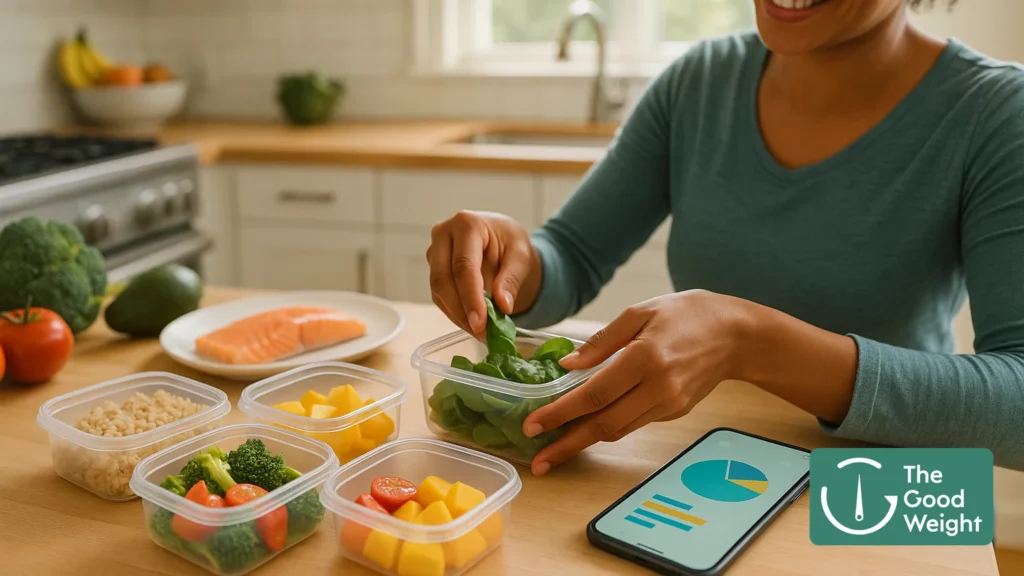
Ever felt lost in a sea of diet promises – drop 10 pounds this week, immediate results, secret shakes, and magic plans? Me too. What feels real, though? A plan grounded in reliable numbers, one you can stick with. That’s where a truly effective diet plan for weight loss shines: not through gimmicks, but steady, measurable change.
Here’s what you’ll learn:
- How fast you can safely lose weight, with real study-backed numbers
- What kinds of plans yield results you can keep
- How to tailor a sustainable, customized diet plan for weight loss
- Common pitfalls to avoid
- Answers to key questions folks often ask
Let’s get into the numbers, the methods, and how you turn them into a plan that fits you.
—
How Much Weight Can You Expect to Lose – and Why That Matters
Most health experts agree a safe pace is about 1 to 2 pounds per week. That’s based on creating a daily energy deficit of about 500-1,000 calories, equaling 3,500-7,000 calories per week according to Healthline.
That rate adds up: over six months, you’re looking at 5-10% of body weight, a range that research links to improvements in blood pressure, cholesterol, and diabetes risk as found by researchers at the University of Connecticut. That sure beats crash diets for long-term sense.
Older but still relevant: one large analysis of 493 study groups (totaling over 16,000 people) found that a 15-week diet or diet-plus-exercise program achieved around 11 kg (24 lb) lost, with 6.6 kg (15 lb) sustained at one year according to NIH research.
So yeah, slow and steady wins not just the race, but health.
—
What Plan Structures Actually Work
Long-Term Support Wins Every Time
A U.K. study compared a 52-week group weight management program to the usual 12-week one. One year later, people in the year-long program lost about 6.76 kg (vs. 4.75 kg), and after two years, they still held onto 4.29 kg lost (vs. only 3 kg in the shorter program) according to NIHR Evidence.
The takeaway? Hold onto support and structure as long as you can.
Combine Diet With Behavior and Tracking
A meta-analysis of 14 randomized controlled trials showed that combining diet and physical activity led to about 1.72 kg more weight loss compared to diet alone, and 5.33 kg more compared to activity alone according to CDC data.
Tracking too matters less than you think – but still matters. A six-month study found people who tracked their food 40% of days lost over 5% of their weight; those hitting 70% of days lost more than 10% based on University of Connecticut findings.
Consistency – even from Monday through Weekend – helps
One study found women who ate balanced calories across weekdays and weekends, or slightly less on Monday, lost 1.6-1.8% more body weight than those who ate much more on weekends according to PubMed research. Kind of shows consistency matters – even over the weekend.
—
Building a Custom Plan That Lasts
You’re not average. Your life, tastes, schedule – they matter. That’s where a customized diet plan for weight loss makes more sense than one-size-fits-all.
1. Set a Realistic Calorie Target
Start with your usual intake. Cut 500 calories a day – see what that produces. If you’re not losing after a couple weeks, adjust again. Medical sources suggest women aiming to lose 1-2 pounds weekly might need 1,000-1,200 calories daily, combined with activity and behavior change based on NIH clinical guidelines.
2. Include Enough Protein
Protein keeps you full longer and supports muscle. Studies in the National Weight Control Registry show successful maintainers consumed about 18-20% of calories from protein according to Live Science. As a frame, that’s like Greek yogurt at breakfast, salmon at lunch, nuts for a snack, and chicken at dinner.
3. Track What Fits You
Maybe 70% tracking isn’t your thing. Good news – you can track just 40% of days and still lose more than 5% of your weight per University of Connecticut data.
4. Lean on Behavioral Support
Look for coaching, group programs, or tools that help you plan, track, and stay mindful – because most strict plans fall apart fast without ongoing support.
5. Stay Longer, Lose Longer
Programs that last longer – 52 weeks instead of just 12 – deliver better weight retention and health benefits as confirmed by NIHR Evidence.
—
How Good Weight Can Help You Stay on Track
We’ve tested lots of options and built our plans so they’re flexible yet supported by evidence. A tool like our weight-loss food kit helps you build meals that hit protein and calorie goals without guesswork. If you’re exploring diet types that suit different life stages and health needs, check our resources on diet and weight loss or the diet-based weight loss approach we take.
Upfront, you get direction. Behind the scenes, it’s grounded in what works – the habits real people build, not fads.
—
Common Questions People Ask
Is losing 10 pounds in a week possible?
Yeah, but mostly water – not fat. Radical diets like the cabbage soup plan can claim those numbers, but physicians warn that quick losses are often unsustainable or just fluid as noted in research on the cabbage soup diet.
What about intermittent fasting?
It can work – but studies show weight loss between 2.5% and 9.9% – not vastly different from traditional calorie restriction according to data on intermittent fasting. It might fit your schedule, but it’s not magic.
Can tech help personalize my plan?
Absolutely. Emerging systems use wearable data and AI to predict who will lose weight – though still early-stage, the results are promising (84% accuracy) based on research on AI weight prediction.
—
A Few Pitfalls to Avoid
- Chasing rapid drops (like “10 pounds in 7 days”) tends to fail long term
- Skipping meals usually leads to bingeing later – and most people who skip breakfast actually weigh more according to Live Science
- Ignoring support turns a plan into guesswork – stick with tools or groups that help you adjust and reflect
- Only focusing on diet or only on exercise – you need both for the best results over time
—
In the end, the real progress comes from sticking with a plan that fits your life, slowly shifting habits, and keeping the goal in sight. You don’t need dramatic swings or gimmicks. You need consistency, smart support, and plans grounded in real evidence.
If you’re ready for tools that help build a sustainable, personalized diet plan – explore Good Weight’s food kit or learn more about how we guide diet and weight loss. You’re worth a plan that lasts.
At the end, it’s not a sprint – it’s what you build to stick for months and years. And yes? That’s work. But it pays off.