
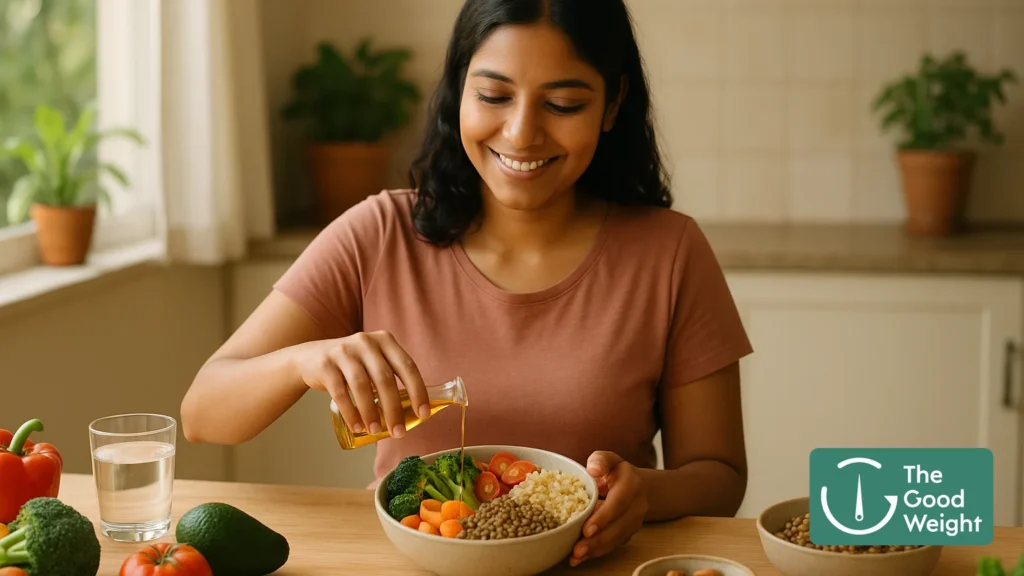
If you’re living with PCOS and struggling with weight gain, know you’re far from alone – and this isn’t about willpower. It makes sense that you want real answers grounded in evidence. So here’s a listicle packed with studies, real‑world examples, and actionable steps to help you craft a PCOS‑friendly weight loss path you can actually stick with.
1. Start with Insulin Resistance – It’s Not You, It’s PCOS
PCOS often includes insulin resistance even in those who are not overweight – 50-80% of people with PCOS show it to some degree; in obese individuals, it jumps to 80-95% (data from Gitnux). That overproduction of insulin doesn’t just mess with blood sugar – it’s a prime driver of weight gain, and it makes losing weight feel like pushing a boulder uphill (Cleveland Clinic overview).
Diet changes matter. Meta-analysis of dietary intervention studies shows an overall drop in insulin resistance (standard paired difference -0.58), and for those with severe resistance, the benefit is stronger (-1.22); diets lower in carbs (<50%) cut IR by -0.86 (PubMed meta-analysis).
Takeaway: Identify insulin resistance (via your doctor), then prioritize meal choices that help reverse it. It’s not optional – it’s foundational.
—
2. Eat Like It Matters: Mediterranean or Low‑Carb Choices Win
Turns out, the Mediterranean diet – olive oil, legumes, whole grains, fish, veggies – does wonders in improving insulin sensitivity, blood sugar, cholesterol, inflammation, even menstrual health in PCOS (Instalab PCOS diet strategies).
Meanwhile, any calorie‑restricted diet helps. A 2021 meta-analysis found dietary weight loss in PCOS significantly lowers inflammatory markers like CRP, IL‑6, TNF‑α and improves androgens (like androstenedione), LH, and SHBG levels (MDPI clinical study).
So choose a flexible plan rich in fiber and healthy fats rather than the most restrictive fad. It will help your body more than cutting everything out.
—
3. Indian Meal Plans That Actually Work – with Real Results
Data matters. In Pune, a South Indian patient lost 4 kg in three months on a PCOS diet that cut refined carbs, boosted protein and fiber, addressed micronutrient gaps, and supported gut health. She lost about 5 inches off her belly, regular periods returned, cravings dropped 40-50%, and sleep improved (Balanced Bowls case study).
In Hyderabad, another woman lost nearly 9 pounds (~4 kg) through a diet of structured meals: half veggies, controlled carbs (brown rice/quinoa), palm‑sized proteins (paneer or tofu), and probiotic sides. Over time she reported better digestion, stable energy, less bloating, and more regular cycles (Deepika Chalasani case report).
Takeaway: You can stick with familiar, local foods – and see results. Doing it well beats doing a trendy plan poorly.
—
4. What Diet Isn’t As Important as Doing It Consistently
A study reviewing PCOS patients found that weight loss, regardless of diet type, helps body composition, ovulation, hormone balance, insulin resistance, lipids, and even quality of life (summary on Wikipedia).
In the real world, the most effective diets aren’t the strictest – they’re the ones people stick to. A practitioner said sustainable, personalized plans outperform restrictive ones every time. Aim for balanced meals you actually enjoy (Fitzindagi PCOS diet comparison).
—
5. Small Changes, Big Wins: Meal Timing, Pairing, and Steps
A guide focused on insulin resistance and PCOS in India offers simple but powerful strategies:
- Pair carbs with protein or healthy fat – e.g., banana plus almonds to tame spikes.
- Eat vegetables before carbs – can reduce glucose peak by up to 40%.
- Walk for 10-15 minutes after meals – strongly boosts insulin sensitivity (Fertilia PCOS guide).
Crazy simple but under‑used. These micro‑habits add up. A handful of almonds can make your plate work differently.
—
6. Move Smarter, Not Harder
Nutrition is roughly 80% of the work, but movement still matters (PCOS Meal Planner resource). Strength training 3-4 times a week boosts muscle mass – and each pound of muscle burns 6-10 calories at rest, which helps insulin use glucose better. Walking 8,000-10,000 steps daily adds burnout without stressing insulin or cortisol.
Avoid overdoing high‑intensity training; it can raise cortisol too much, deeper stirring insulin resistance. Moderate resistance plus walking wins every time (PCOS Meal Planner advice).
—
7. Supplements with Real Science – Used Alongside Diet and Motion
Three supplements deserve note – but use them only with medical advice:
- Inositol (myo + di‑chiro 40:1): improves insulin sensitivity up to 70% in trials, plus lowers fasting insulin and BMI (Inositol evidence summary).
- Berberine (500 mg, 2-3x daily): mimics metformin through AMPK activation and improves insulin resistance in PCOS (Berberine clinical insight).
- Magnesium glycinate (200-400 mg at night): many with PCOS are low on magnesium; supplement improves insulin use, calms cortisol, helps sleep and digestion (Magnesium research link).
They support your efforts – they’re not replacements for a good meal or movement habit.
—
Final Thoughts
You’ve just seen seven approaches that have muscle behind them: targeting insulin resistance, choosing flexible diets, testing Indian‑food plans, embracing sustainable habits, incorporating movement, and using evidence‑based supplements.
It’s the small, consistent wins that matter. Stay patient. Track one habit at a time. Celebrate shifts – from better sleep to fewer cravings – and those pounds are more likely to follow.
When you’re ready to build an Indian PCOS meal plan tailored to your routine, you might learn more from our female weight loss diet page. Or check our weight loss doctor in Chennai for local support. Whenever you need help that fits your life – not the other way around – Good Weight is here to guide you.
—
Frequently Asked Questions
How much weight loss helps with PCOS symptoms?
Dropping even 5-10% of your body weight has shown improvements in blood sugar, cholesterol, cycle regularity, and fertility (Cleveland Clinic source).
Can a vegetarian Indian diet work?
Absolutely – as shown in South Indian and Hyderabad case studies. Focus on protein‑rich foods (paneer, dal, tofu), fiber (vegetables, millets), healthy fats, and portion control (Balanced Bowls example).
Will supplements fix insulin resistance?
They help, especially inositol and berberine – but only alongside nutrition and movement. They’re support tools, not magic bullets (PCOS Meal Planner discussion).
What if I struggle to stick to a plan?
Pick the most balanced, least restrictive diet you can follow. Consistency beats perfection. Small shifts – like pairing nuts with fruit or adding a walk – are easier to keep and build trust in your habits.
You’re doing more than weight loss. You’re restoring balance. That’s the most powerful work right now.