
The Good Weight

Uncategorized

Elementor #14530

GLP-1 & Metabolic Health Mounjaro works.The internet versionof it doesn’t. Tirzepatide is one of the most effective weight loss interventions we’ve seen in decades. But what’s trending online this week reveals a dangerous gap between the drug and the protocol that makes it safe. TGW The Good Weight Clinical Team · 8 min read · Bengaluru & Chennai “Is Mounjaro safe with a doctor?” is currently being searched 276,000 times. The fact that people are asking tells you everything — the drug is everywhere, but the clinical context around it isn’t. In the past month, we’ve seen the same pattern repeat. People discover tirzepatide (sold as Mounjaro) through social media before-and-afters. They research it, get excited, and then face a fork in the road: go through a proper clinical evaluation, or find it online at a fraction of the hassle. A significant number choose the second option. And then they come to us — or to emergency rooms — with the consequences. This piece is our attempt to address every question that’s trending right now, honestly and without selling you anything. What Mounjaro actually does — and why it’s genuinely remarkable Tirzepatide, the molecule in Mounjaro, is a dual GIP/GLP-1 receptor agonist. In plain terms: it mimics two gut hormones that your body naturally releases after eating. These hormones signal fullness to your brain, slow gastric emptying, and — crucially — improve insulin sensitivity at the cellular level. The clinical trial results (the SURMOUNT series) are legitimately impressive. Participants lost an average of 20–22% of body weight over 72 weeks — numbers not previously seen outside bariatric surgery. For people with insulin resistance, pre-diabetes, or metabolic syndrome, the effect extends beyond weight: fasting insulin drops, HbA1c improves, and inflammatory markers come down. 22% avg. body weight lost in SURMOUNT-1 at highest dose 96% of participants had reduced fasting insulin levels 72 wks trial duration — a long-term intervention, not a quick fix So yes — the drug works. The question is never “does it work.” The question is always “what does it take to make it work safely and sustainably for you?” Why buying Mounjaro online is genuinely risky Searches for “buying Mounjaro online risks” are spiking. Here’s why that instinct to research is right. What unsupervised use typically looks like No baseline labs — starting a powerful metabolic drug without knowing your kidney function, liver enzymes, thyroid status, or existing HbA1c No titration support — pushing to higher doses too fast because “more = faster results”, leading to severe nausea and vomiting No nutrition protocol — protein intake that’s far too low to protect lean muscle mass as weight drops No monitoring — muscle loss masquerading as “good” weight loss on the scale No exit strategy — weight regain of 60–70% within a year of stopping, because no behavioural or dietary foundation was built There’s also the product authenticity issue. The market for counterfeit GLP-1s has exploded alongside demand. Compounded tirzepatide from unverified online pharmacies may contain incorrect concentrations, undisclosed fillers, or in some documented cases, insulin — a dangerous substitution that has caused hypoglycaemic emergencies. The drug is not the risk. The absence of clinical context around it is. Can you lose weight without Mounjaro? This is the most searched question in the cluster, and it deserves a direct answer: yes, absolutely. Tirzepatide is a tool — a powerful one — but it’s not the only path. At The Good Weight, roughly 40% of our active clients are on GLP-1 therapy. The other 60% are achieving meaningful, sustained weight loss through structured metabolic protocols that don’t involve medication. The decision to use or not use Mounjaro should depend on your metabolic profile, your history with weight loss, your current health markers, and your preferences — not on what’s trending. Good candidates for GLP-1 therapy typically have: BMI ≥ 30, or ≥ 27 with a weight-related comorbidity (T2DM, hypertension, PCOS, OSA) Documented difficulty maintaining weight loss over time despite effort Evidence of metabolic dysfunction — elevated fasting insulin, HbA1c in the pre-diabetic range, significant visceral adiposity No contraindications — personal or family history of medullary thyroid cancer or MEN2, active pancreatitis, severe GI motility disorders The point isn’t to gatekeep the drug. It’s to match the right intervention to the right person. That’s what clinical evaluation exists to do. Before and after Mounjaro — what the photos don’t show The before-and-afters driving search traffic are real. The results shown are real. What they don’t show is the work that happened around the drug. In our clinical experience, the patients with the best long-term outcomes on GLP-1 therapy are not the ones who lost weight fastest. They’re the ones who used the appetite suppression window — the period when hunger is genuinely reduced — to build new eating patterns, protect muscle through resistance training and high protein intake, and address the psychological dimensions of their relationship with food. The drug quiets hunger. It doesn’t build habits. That second part is entirely human work. Without supervision ✕ No baseline labs or metabolic assessment ✕ Dose escalation driven by impatience ✕ Nausea, vomiting go unmanaged ✕ Low protein → significant muscle loss ✕ No plan for maintenance or exit ✕ Weight regain of 60–70% after stopping Under clinical care ✓ Full metabolic panel before starting ✓ Titration paced to your tolerance ✓ Side effects caught and managed early ✓ High-protein protocol from week one ✓ Behavioural and nutritional coaching ✓ Structured maintenance plan built in The vomiting problem — and what it actually means Nausea and vomiting after a Mounjaro dose increase is one of the most commonly discussed side effects right now. Here’s the clinical reality. GLP-1 agonists slow gastric emptying — that’s part of how they work. At the right dose, this creates sustained fullness. At too high a dose, reached too quickly, it creates nausea, vomiting, and in some cases, severe dehydration. The standard titration schedule for tirzepatide starts at 2.5mg weekly for four weeks before any dose

Elementor #14530 Read More »

Weight Loss Food Kit by The Good Weight

10 Reasons Why Low Glycemic Index Foods Are Essential in a Weight Loss Journey

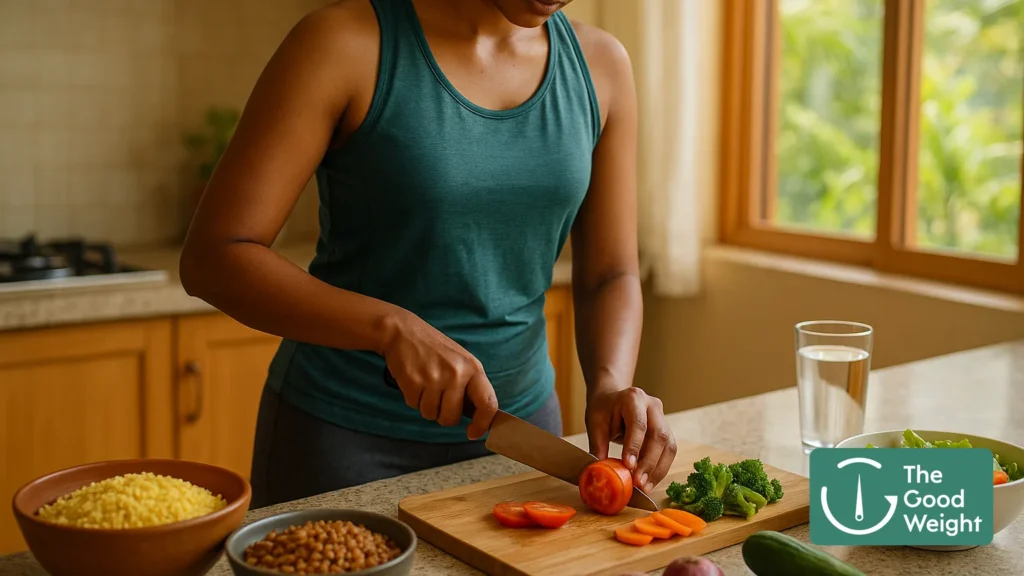
Losing weight effectively is not just about eating less – it’s about eating smarter. While calories matter, the kind of calories you consume can make or break your progress. One of the most impactful dietary strategies for sustainable weight loss is focusing on foods with a  low glycemic index (GI). These foods help balance energy levels, manage hunger, and support fat loss without constant cravings. This article explores ten scientifically backed reasons why low-GI foods should be a cornerstone of every healthy weight management plan – and how convenient options like a food kit for weight loss in India can make sticking to this diet easier. 1. Low-GI Foods Help Stabilize Blood Sugar Levels A low glycemic index diet prevents spikes and crashes in blood sugar levels, which are common with high-GI foods like white rice or sugary snacks. When you eat foods that cause a rapid increase in blood glucose, insulin levels surge to manage it, often leading to a quick dip that triggers hunger again. Low-GI foods such as lentils, oats, and brown rice release glucose slowly, keeping energy levels steady throughout the day. Stable blood sugar minimizes the likelihood of overeating and helps prevent insulin resistance, a major barrier to long-term weight loss success. This is especially important in India, where carbohydrate-heavy diets can contribute to metabolic issues if not properly balanced. 2. They Promote Satiety and Reduce Hunger Cravings One of the challenges of dieting is constant hunger. Low-GI foods are typically high in fiber and complex carbohydrates, which digest slowly and keep you full for longer. This natural satiety helps control portion sizes and reduce the urge to snack on high-calorie foods. For example, swapping white rice for quinoa or millets can keep you satisfied hours longer after a meal. Over time, this small switch can create a meaningful calorie deficit crucial for fat loss without the feeling of deprivation. 3. Improves Insulin Sensitivity Over Time Low-GI foods train your body to use insulin more efficiently. Poor insulin sensitivity can make it difficult for the body to burn fat, as excess insulin encourages fat storage. A diet rich in whole grains, legumes, and non-starchy vegetables helps reverse this process by gradually improving your body’s metabolic response. In simpler terms, when your cells respond better to insulin, you are less likely to develop diabetes and more likely to burn stored fat effectively. This dual benefit makes low-GI eating a sustainable approach for both weight loss and metabolic health. 4. Supports Fat Burning and Preserves Lean Muscle Excess insulin not only influences fat storage but can also prevent your body from accessing stored fat for energy. Because low-GI meals maintain moderate insulin levels, your body transitions smoothly into fat-burning mode between meals. For those engaging in workouts or strength training, balancing these foods with adequate protein helps retain lean muscle mass while shedding fat. Retaining muscle is critical – it increases resting metabolism, helping you burn more calories even while at rest. 5. Enhances Energy and Mental Focus Anyone who’s eaten a heavy carb meal knows the post-lunch slump. High-GI foods cause spikes in blood sugar followed by rapid declines, leaving you fatigued and irritable. Low-GI options provide a steady energy supply, helping you remain focused and productive throughout the day. This steady state of energy not only supports better gym performance and workout consistency but also fosters improved decision-making, reducing the likelihood of emotional eating. 6. Low-GI Foods Encourage Better Nutrient Density Most low-GI foods are nutrient-dense whole foods – think fruits like apples and pears, vegetables like spinach and broccoli, legumes, and whole grains. These foods provide vitamins, minerals, and antioxidants essential for fat metabolism and cellular health. When you focus your diet around these natural ingredients, you automatically displace processed foods that lack essential nutrients and drive cravings. Over time, your body recalibrates its hunger cues, helping you distinguish true hunger from emotional eating. 7. Reduces Risk of Diabetes and Heart Diseases Long-term consumption of high-glycemic foods is linked to type 2 diabetes and cardiovascular diseases. By lowering your everyday glycemic load, you protect your circulatory system while managing weight. In India, where carbohydrate-based staples dominate the diet, low-GI eating helps counteract the metabolic impact of refined carbs. This approach doesn’t necessarily mean eliminating staples – it’s about making smarter swaps, such as replacing polished rice with brown rice or whole grains. 8. Keeps Hormones That Regulate Appetite in Balance Low-GI foods play a crucial role in balancing hunger-regulating hormones like ghrelin and leptin. When blood sugar remains steady, your brain receives more consistent signals of fullness and satisfaction. This hormone stability helps avoid binge-eating episodes, especially during calorie-restricted plans. It’s one reason structured programs like a **food kit for weight loss in India** often include portion-controlled, low-GI meals that take the guesswork out of healthy eating. 9. Easier to Follow for the Long Term Fad diets tend to fail because they are restrictive and unsustainable. By contrast, emphasizing low-GI foods allows flexibility. You can enjoy traditional Indian meals – just modify them with healthier carbs and balance your portions. For example, substituting white rice with moong dal khichdi, or choosing multigrain chapatis over refined flour parathas, keeps the comfort and flavor intact while promoting better metabolic outcomes. Meal services offering Indian-style low-GI food kits make long-term adherence easier by providing nutritionally balanced options ready to eat. 10. Pairs Perfectly With Food Kits for Weight Loss in India One of the biggest reasons people fail to stay consistent with healthy eating is convenience. Preparing low-GI meals at home requires planning, shopping, and prep time. Fortunately, modern **food kits for weight loss in India** solve this problem by delivering pre-portioned, balanced meals designed by nutritionists. Brands like The Good Weight (https://thegoodweight.com) emphasize scientifically designed meal plans based on glycemic control and portion balance. These ready-to-eat or ready-to-cook options ensure that even busy professionals can adhere to a low-GI plan without giving up on taste or nutrition. Such meal solutions typically offer a rotating variety

10 Reasons Why Low Glycemic Index Foods Are Essential in a Weight Loss Journey Read More »

Shopping Cart
Scroll to Top