
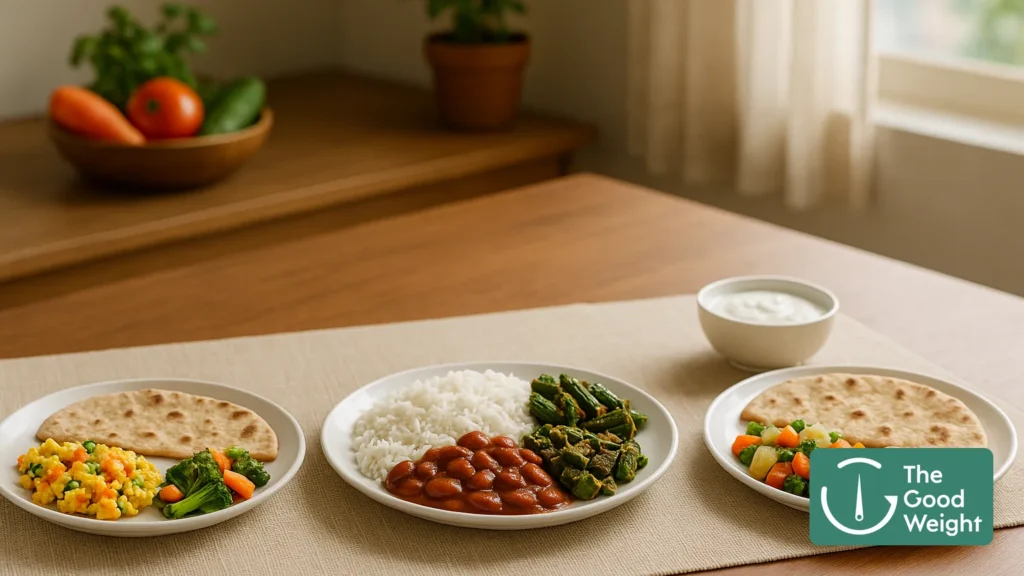
If your weight-loss plan keeps getting derailed by 11 a.m. hunger, afternoon sleepiness, or late-night cravings, the issue may not be “willpower.” In many cases, it is meal structure. A breakfast built around toast, poha, juice, or biscuits can digest quickly, leave you unsatisfied, and set up a cycle of energy crashes that makes overeating more likely later in the day.
That is why many people searching for foods that are low in glycemic index are really looking for something more practical: meals that help them feel steady, full, and in control. Glycemic index, or GI, is often discussed only in the context of diabetes, but it also matters for weight loss because it influences how quickly carbohydrate-rich foods raise blood sugar and how long a meal keeps you satisfied. A lower-glycemic eating pattern does not mean removing all carbs or fearing rice, roti, or fruit. It means building meals so that carbs digest more slowly and work better for your appetite and routine.
For Indian adults with busy schedules, this approach can be especially useful. You do not need exotic ingredients or a perfect diet chart. You need familiar foods, better combinations, and a realistic way to improve one meal at a time. This guide explains what glycemic index means, which foods that are low in glycemic index fit naturally into Indian eating patterns, and how to build breakfast, lunch, and dinner that support sustainable weight loss.
What glycemic index actually means, in simple terms
Glycemic index is a way of ranking carbohydrate-containing foods by how quickly they raise blood sugar after eating. Foods with a high GI are digested and absorbed faster. Foods with a lower GI tend to be digested more slowly, leading to a gentler rise in blood sugar. In real life, that slower digestion often translates into better fullness, fewer sudden hunger spikes, and more stable energy between meals.
That said, GI is not a score for whether a food is “good” or “bad.” It is only one part of the picture. Portion size matters, total calories matter, and the way you eat a food matters too. For example, plain white rice eaten alone behaves differently from a moderate serving of rice eaten with dal, paneer, sabzi, and curd. The second meal is usually more weight-loss-friendly because the protein, fibre, and fat slow down digestion and improve satiety.
This is the key point many people miss when they search for foods that are low in glycemic index. You do not eat GI values in isolation. You eat meals. For weight loss, the goal is not to memorize numbers. It is to create meals that are less likely to trigger a rapid rise-and-fall cycle in blood sugar, appetite, and energy.
Why lower-glycemic meals can help with weight loss
Lower-glycemic meals can make weight loss easier to sustain because they often help you stay full for longer. When a meal is built around refined carbs alone, it tends to digest quickly. That can leave you hungry sooner, more likely to snack, and more vulnerable to cravings for sugary or starchy foods. Over time, that pattern can make calorie control much harder, even if your intentions are good.
By contrast, a balanced lower-glycemic meal usually contains a moderate amount of carbohydrate plus protein, fibre, and some healthy fat. This combination slows gastric emptying, improves fullness, and makes it easier to go from one meal to the next without constantly thinking about food. For someone trying to lose weight, that practical benefit matters more than the technical definition of GI.
There is also a consistency benefit. Many people abandon weight-loss efforts not because their plan is ineffective, but because it leaves them tired, irritable, or hungry. Meals based on foods that are low in glycemic index can reduce that friction. When your breakfast keeps you satisfied until lunch, and your lunch does not leave you sleepy and raiding the snack drawer, adherence becomes much more realistic.
What makes a meal lower glycemic and more weight-loss-friendly
A common mistake is to focus only on swapping one carb for another. In practice, meal composition matters at least as much as the carbohydrate source itself. A lower-glycemic Indian meal is usually built, not bought. It combines familiar staples with enough protein, vegetables, and smart portions to slow digestion and improve satiety.
Step 1: Start with a sensible carb portion
Carbs do not need to disappear from your plate. Rice, roti, oats, fruit, dal-based dishes, and even traditional breakfast items can fit. The question is portion and context. A large plate of rice with very little protein or vegetables will usually be less helpful for weight loss than a smaller portion of rice paired with dal, sabzi, and curd.
In practical terms, think of carbs as one part of the meal rather than the whole meal. One to two rotis, or a moderate serving of rice, may work better than unlimited refills. If you tend to overeat starches when very hungry, start your meal with salad, cooked vegetables, or protein first.
Step 2: Add a clear protein source
Protein is one of the most useful tools for turning a meal into a more filling, lower-glycemic option. It slows digestion and helps control hunger better than a carb-only meal. In Indian diets, good options include eggs, Greek yogurt, curd, paneer, tofu, chicken, fish, dals, chana, rajma, and moong-based batters.
This matters because many meals that look “light” are actually low in protein and poor at keeping you full. A bowl of poha or two slices of bread may seem modest, but if they contain very little protein, they can leave you hungry soon after. The same calories arranged around eggs, dal chilla, curd, or paneer are often much easier to sustain.
Step 3: Use vegetables to add volume and fibre
Vegetables help in two ways. First, they add fibre, which can slow digestion and support fullness. Second, they add volume to the plate without pushing calories too high. That makes it easier to eat a satisfying meal while staying within a calorie deficit.
For Indian meals, this can be as simple as adding bhindi, lauki, gobi, beans, capsicum, cucumber, tomato, carrot, palak, methi, or mixed sabzi. You do not need to force yourself into raw salads if you prefer cooked vegetables. The goal is regular vegetable volume, not perfection.
Step 4: Include some fat, but keep portions intentional
Fat also slows digestion and improves satisfaction, but it is easy to overdo. A small amount of ghee, nuts, seeds, peanut butter, coconut, or full-fat dairy can make a meal more satisfying. The problem comes when “healthy fats” quietly double the calorie load.
For weight loss, intentional fat portions work best. A little is useful; unlimited is not. Lower-glycemic eating still requires calorie awareness if fat-dense foods are part of the meal.
Foods that are low in glycemic index that fit easily into Indian meals
The most useful low-GI choices are not fancy superfoods. They are everyday foods you can combine well. Examples include oats, unsweetened Greek yogurt, curd, eggs, most non-starchy vegetables, many dals and beans, chickpeas, rajma, paneer, tofu, nuts, seeds, and whole fruit in sensible portions. Some whole grains and minimally processed grains can also fit better than refined options, but the meal combination still matters.
Legumes are especially helpful because they offer both carbohydrate and protein. Moong dal, chana, masoor, rajma, and chole can all support a lower-glycemic pattern when portions and oil use are sensible. Dairy-based protein options such as curd and Greek yogurt are also practical for Indian households because they pair easily with lunch, snacks, and breakfast.
At the same time, do not assume that every “brown” or “multigrain” product is automatically a better choice. Processing matters. A heavily processed brown bread or sweetened muesli may still behave like a fast-digesting carb. This is one reason personalized nutrition support can help people move beyond food labels and build more reliable routines.
Breakfast: how to stop the morning crash
Breakfast is where many weight-loss efforts become unintentionally high glycemic. Common patterns such as toast with jam, sugary cereal, plain cornflakes, biscuits with chai, or a large serving of poha with very little protein often digest quickly and leave you hungry by mid-morning.
Better breakfast pattern 1: eggs, roti, and vegetables
A more balanced option is two eggs, one roti, and a generous portion of vegetables. Compared with bread and tea alone, this meal contains more protein, more fibre, and better staying power. You still get carbs, but they are not the entire meal. If you are vegetarian, paneer bhurji or tofu bhurji can play a similar role.
A simple swap would be moving from buttered toast and chai to an egg bhurji roll made with one roti and extra onions, tomatoes, and capsicum. The shift is not about cutting carbs completely. It is about reducing how fast the meal is digested and improving fullness.
Better breakfast pattern 2: dal chilla with curd
Dal chilla is one of the best Indian examples of a weight-loss-friendly breakfast built from foods that are low in glycemic index. Because the base is lentil batter, it naturally provides more protein and fibre than many grain-based breakfast foods. Adding paneer stuffing or having it with curd makes it even more satisfying.
If your current breakfast is plain upma or poha, a realistic upgrade is not to ban those foods forever. It is to rotate in dal chilla two or three times a week, or to keep the same dish but reduce the portion slightly and add curd, sprouts, or eggs on the side.
Better breakfast pattern 3: Greek yogurt or oats with protein add-ins
For very busy professionals, a bowl meal can be practical. Unsweetened Greek yogurt with fruit, chia or flax seeds, and a few nuts works well when the fruit portion is moderate and the bowl is not turned into dessert. Oats can also work, but plain oats alone are often not enough. Add milk or curd, seeds, nuts, and ideally a protein source such as Greek yogurt or eggs on the side.
The important distinction is this: oats are not automatically “good” and poha is not automatically “bad.” A bowl of oats with honey, raisins, and banana but almost no protein may still leave you hungry. A more structured meal often works better than a food with a health halo.
Lunch: fix the typical carb-heavy plate
Lunch often becomes the biggest glycemic problem of the day, especially when it is rushed. A plate of rice with little else, three to four rotis with a thin sabzi, or takeout built mostly around noodles or naan can cause post-lunch sleepiness and hunger later.
Higher-glycemic pattern vs better-balanced alternative
A common lunch pattern is a large mound of white rice with minimal dal and very little vegetable volume. A better-balanced version is a smaller rice portion, a full serving of dal or rajma, one bowl of sabzi, and curd on the side. You still eat rice. You just stop letting it dominate the plate.
Another example is the office lunch of two aloo parathas with pickle. A more weight-loss-friendly swap could be one paratha with curd and a side of eggs or paneer, or a roti meal with dal and vegetables. These changes lower the meal’s glycemic impact and improve satiety without making lunch feel restrictive.
Smart lunch framework for home or office
An easy formula is: one carb serving, one strong protein source, one to two vegetable portions, and curd if you enjoy it. For example, one cup rice plus rajma plus cucumber raita plus bhindi sabzi can work much better than endless rice alone. Likewise, two rotis plus chana masala plus mixed vegetables is often more sustaining than four rotis with a low-protein sabzi.
If you find yourself struggling to judge what meal structure is working for your appetite and schedule, doctor-guided diagnostic support options can help identify patterns that generic internet advice may miss.
Dinner: aim for lighter, not carb-free
Dinner does not need to be zero-carb to support weight loss. In fact, many people overcompensate by eating too little at dinner, only to snack heavily later. A better goal is a balanced dinner with moderate carbs, enough protein, and plenty of vegetables.
Common dinner pattern vs better-balanced alternative
A common high-GI dinner is a restaurant meal of naan, gravy, and little else. A smarter version would be tandoori protein, dal, sautéed vegetables, and either one roti or a moderate rice portion. Similarly, if dinner at home is mostly khichdi, improve it with a larger dal proportion, added vegetables, and curd or egg on the side.
For rice-based dinners, portion shifts matter. Instead of a large plate of rice, try a smaller serving paired with sambar, a dry vegetable dish, and curd. That slows the meal down and usually keeps you fuller longer than rice by itself.
Smarter restaurant choices
Restaurant meals become easier when you focus on composition rather than labels. Build around grilled, tandoori, dal-based, or paneer-based protein choices, then add vegetables and keep breads or rice moderate. Skip the idea that you must either “cheat” completely or order the driest salad on the menu. Sustainable weight loss is usually built in the middle.
Common mistakes: myth vs fact
Myth: Brown foods are always lower GI
Fact: Colour is not a reliable guide. Brown bread, brown biscuits, and “multigrain” snacks can still be highly processed and easy to overeat. What matters more is the ingredient quality, fibre, protein, and the overall meal they are part of.
Myth: Fruit is the problem
Fact: Whole fruit is not usually the main issue. Oversized portions, repeated grazing, and pairing fruit with no protein are more common problems. One fruit serving with curd, nuts, or as part of a meal is very different from multiple fruit-heavy smoothies or juices.
Myth: If a food is low GI, I can eat unlimited amounts
Fact: Low GI does not mean low calorie. Nuts, peanut butter, paneer, and even some traditional “healthy” snacks can still slow weight loss if portions are not monitored. GI helps with meal quality, but calorie intake still determines whether weight loss happens.
Myth: Rice must be avoided completely
Fact: For many Indian adults, rice can fit perfectly well into a lower-glycemic meal. The real question is portion, frequency, and what you eat with it. Rice with dal, sabzi, and curd is very different from a large plate of rice eaten quickly on its own.
FAQ
Do I need to stop eating rice to lose weight?
No. Most people do not need to eliminate rice completely. They do better by reducing the portion, avoiding second helpings out of habit, and pairing rice with protein and vegetables. If rice is culturally familiar and satisfying, keeping it in a balanced structure may actually improve consistency.
Is fruit bad for blood sugar or weight loss?
Whole fruit can absolutely fit into a weight-loss plan. The better question is how much, how often, and what else you eat with it. Fruit works best as part of a balanced routine rather than as a constantly repeated snack or a large juice-based meal replacement.
Can low-GI eating work without calorie awareness?
Usually not for long. Lower-glycemic meals can help you control hunger and reduce impulsive eating, which makes a calorie deficit easier to maintain. But if portions are very large or high-fat foods are added freely, weight loss can still stall. The most effective approach is to use lower-glycemic meal structure to support appetite while still staying aware of total intake.
One practical next step
You do not need to rebuild your entire diet tomorrow. Start by reviewing one meal per day, usually breakfast or lunch, and ask a simple question: does this meal contain a carb, a real protein source, and enough vegetables or fibre to keep me full? That one shift is often more useful than chasing perfect food lists.
For many people, foods that are low in glycemic index become helpful only when they are translated into real plates, work schedules, and appetite patterns. If you want a more personalized Indian meal structure based on your routine, cravings, health conditions, and weight-loss goals, explore the supervised support available at The Good Weight.