
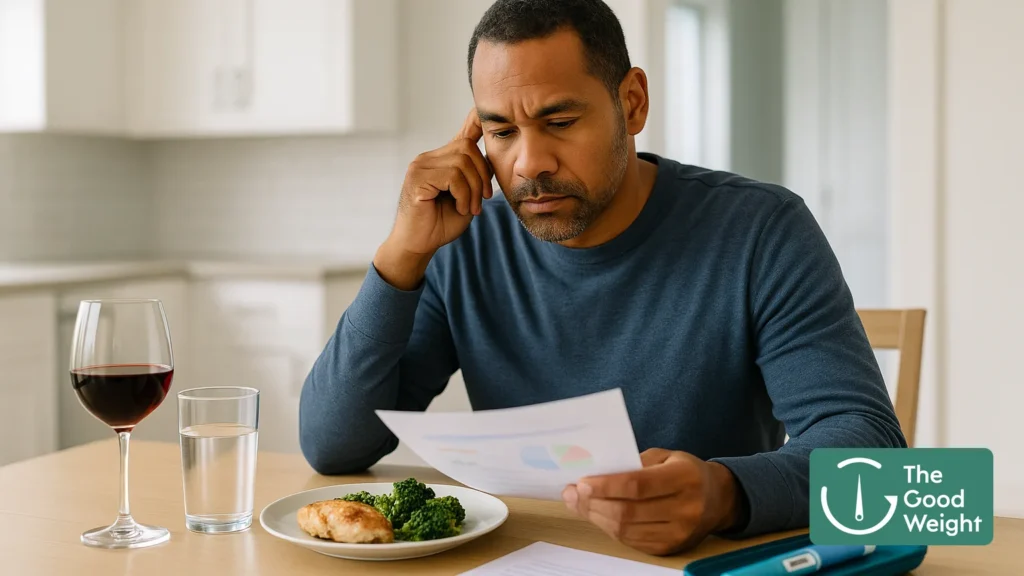
Search interest around 0zempic, semaglutide, and alcohol has surged for a simple reason: people are trying to translate a very online conversation into real-life decisions. A friend says they cannot tolerate even one drink after starting Ozempic. A video claims alcohol “hits harder” on GLP-1 medication. Someone else says nothing changed at all. For adults considering weight loss injections, current users adjusting to side effects, and families helping a loved one weigh options, the practical question is not whether every story online is true. It is how to make a safe, individualized decision before guessing.
That matters because GLP-1 medications are effective, but they are not casual wellness products. In the STEP 1 trial, adults taking semaglutide 2.4 mg plus lifestyle intervention achieved about 14.9% average body weight loss over 68 weeks, showing why these medications have become such a major part of modern obesity treatment. At the same time, the most common issues are often gastrointestinal, and those are exactly the symptoms alcohol can aggravate. So if you are searching 0zempic because you want to know whether you can still drink socially, the safest answer is not a blanket yes or no. It is understanding why your response may change and what to review with a clinician first.
Why alcohol questions come up so often with Ozempic and similar medications
Many people first encounter Ozempic-related content through side-effect conversations rather than formal prescribing information. That makes sense. Even when a medication offers meaningful health benefits, patients still want to know how it will affect dinner plans, holidays, work events, and weekend routines. Alcohol becomes a common concern because it is woven into ordinary social life, yet it can also interact with appetite, hydration, nausea, and blood sugar in ways that feel more noticeable once treatment begins.
There is also a broader clinical reason the question keeps coming up. GLP-1 receptor agonists are increasingly used in obesity care because the evidence base is strong, but adherence can be challenging when side effects are not anticipated or managed well. Real-world research has found that persistence with GLP-1 therapy often drops over time, which is one reason medication readiness matters. If a person starts treatment without discussing drinking habits, meal patterns, reflux, nausea history, or hydration, small problems can become bigger barriers to success.
How GLP-1 medication can make alcohol feel different
GLP-1 medications such as semaglutide work through several pathways that affect eating and digestion. They can increase fullness, reduce appetite, and slow gastric emptying, which is part of why they help many people eat less and lose weight. Those same mechanisms can also change how comfortable you feel after food or drink, especially during dose increases or early treatment.
The issue is not that alcohol has a single proven universal interaction with Ozempic. The issue is that alcohol can layer onto effects the medication is already creating. If you are eating less than usual, skipping meals, or dealing with early nausea, a drink may feel stronger, sit poorly, worsen reflux, or lead to faster dehydration. Reviews of semaglutide and other GLP-1 therapies consistently note gastrointestinal adverse effects such as nausea, vomiting, diarrhea, and constipation among the most common side effects. Even without a direct alcohol-drug interaction, that symptom profile explains why tolerance can shift.
Another factor is blood sugar. Ozempic is not insulin, and semaglutide alone does not usually cause significant hypoglycemia in most patients. But alcohol can contribute to blood glucose instability under certain conditions, especially when intake is poor or other diabetes medications are involved. For someone who drinks on an empty stomach, has reduced appetite, or is also taking insulin or sulfonylureas, the risk conversation becomes more important. That is why medical screening matters more than copying someone else’s experience online.
A practical checklist: when alcohol may be riskier on semaglutide
Before assuming drinking is fine, it helps to look at the situation the way a clinician would. The following scenarios do not always mean alcohol is forbidden, but they are strong reasons to be more cautious.
Be extra careful if:
- You already have nausea, bloating, early fullness, or vomiting after injections. Because GLP-1 medication commonly affects the stomach and upper GI tract, alcohol may intensify symptoms that are already present.
- You have a history of reflux or heartburn. Alcohol can worsen reflux, and slower gastric emptying may make that discomfort more obvious.
- You are eating much less than usual or skipping meals. Drinking with inadequate food intake can make you feel weak, lightheaded, or more symptomatic.
- You are prone to dehydration. Vomiting, loose stools, sweating, travel, and alcohol together can leave you feeling much worse than expected.
- You are in the middle of dose escalation. Many side effects are most noticeable as the dose increases, so this is often not the best time to “test” your tolerance.
- You take other glucose-lowering medication. If insulin or sulfonylureas are part of your regimen, alcohol and reduced food intake deserve a more careful review.
Avoid alcohol and contact a clinician first if:
- You are having persistent vomiting, severe abdominal pain, or inability to keep fluids down.
- You have repeated episodes of dizziness, faintness, or signs of dehydration.
- You are unsure whether your symptoms are from alcohol, the medication, or another medical issue.
- You have a history of pancreatitis, significant GI disease, or complicated diabetes management that has not been reviewed recently.
This is where a supervised plan matters. If you are considering treatment through a medical weight loss program, lifestyle details like these should be part of the evaluation, not an afterthought after side effects start.
Questions to ask before your first prescription
The best time to talk about alcohol is before the first dose, not after an uncomfortable night out. A strong consultation should move beyond “Can I drink?” and get into the context that shapes the real answer.
1. What is my dose-escalation plan, and when are side effects most likely?
Semaglutide is usually increased gradually to improve tolerability. Ask when nausea or appetite suppression may be most noticeable and whether there are certain weeks when it makes sense to be especially cautious with alcohol. This matters because tolerance during week one may not match tolerance at a higher dose.
2. How do my GI symptoms change the advice?
If you already deal with reflux, IBS-like symptoms, delayed digestion, or nausea, bring that up. Reviews of semaglutide safety show that gastrointestinal effects are common and often dose-related, so your baseline digestive history should shape the plan.
3. How much and how often do I actually drink?
Many patients understate this because they assume the answer should be simple. But “one glass of wine at weddings” is different from weekend binge drinking, and both are different from drinking while barely eating. Give your clinician a realistic picture of your social habits so the guidance can match your life.
4. What should I do about meal timing?
Because GLP-1 medication often reduces appetite, it is worth asking how to avoid drinking on an empty stomach or after minimal intake. A sustainable treatment plan should include realistic eating guidance, not just a prescription. If you are still building those habits, reviewing a broader diet and weight loss approach can help support safer day-to-day choices.
5. How much hydration should I aim for?
This sounds basic, but it matters. If semaglutide lowers your thirst cues, food intake, or fluid intake while alcohol increases fluid loss, you may feel worse faster. Ask what warning signs of dehydration to watch for and when symptoms warrant a call.
6. What should I do if I feel sick after a drink?
Have a plan before it happens. Ask whether you should skip the next dose, monitor symptoms, focus on fluids, or seek urgent evaluation depending on severity. Practical “if-then” instructions are often more helpful than a generic rule about alcohol.
If you want that kind of preparation, a structured weight loss doctor consultation is often the best first step.
Myths vs. reality: what people often get wrong
Myth: Everyone on Ozempic has to stop drinking completely
Reality: There is no universal rule that every patient must avoid alcohol forever. What matters is symptom pattern, dose stage, other medications, food intake, and personal tolerance. Some people can drink lightly without major issues; others find even small amounts worsen nausea or reflux.
Myth: One bad reaction means the medication is not for you
Reality: A single unpleasant experience does not automatically mean semaglutide is the wrong treatment. It may reflect poor timing, dehydration, dose escalation, drinking without enough food, or a temporary adjustment period. The more useful question is what happened around that event and how to reduce risk next time.
Myth: Social media stories apply to everyone
Reality: Online anecdotes are often missing crucial details such as dose, underlying diabetes, co-medications, binge patterns, and GI history. Clinical evidence shows these drugs can be highly effective, but tolerability varies. For example, consumer-friendly prescribing summaries note that common Ozempic side effects include nausea, vomiting, diarrhea, abdominal pain, and constipation, which helps explain why one person’s experience can differ sharply from another’s.
FAQ: practical alcohol and semaglutide questions
Can I have a drink at a wedding or holiday event?
Possibly, but plan for the context. If you are newly started, recently increased your dose, already queasy, or barely eating, that event may not be the best time to experiment. If you do drink, it is wiser to do so with food, pace yourself, and stop early if symptoms begin.
What should I do if I feel sick after alcohol on Ozempic?
First, stop drinking and focus on hydration if you can tolerate fluids. If symptoms are mild, rest and monitor. If you have severe abdominal pain, repeated vomiting, signs of dehydration, or feel unable to recover normally, contact a clinician promptly instead of assuming it will pass.
Do side effects usually get better over time?
Often, yes. Many GI symptoms are more prominent early in treatment or after a dose increase and may improve as the body adjusts. That said, not every symptom should be “pushed through,” especially if it is severe or persistent.
Do newer GLP-1 medications feel different?
They can. Different GLP-1-based therapies vary in dosing, potency, and side-effect experience, even though they share similar mechanisms. That is another reason not to generalize from one person’s story or one medication to all weight loss injections.
The safest next step is a supervised plan
If you remember one thing from the 0zempic conversation, let it be this: alcohol tolerance on semaglutide is personal, not predictable from a viral post. The medication may change appetite, digestion, meal timing, and hydration enough that alcohol feels different, especially early on or during dose increases. That does not mean every patient must stop drinking completely. It means the decision should be made with clear screening, realistic counseling, and a plan for side effects.
If you are considering treatment and want a safety-first review of whether semaglutide fits your health history and lifestyle, speak with Good Weight. A medically supervised readiness check is far better than self-testing your alcohol tolerance after you start.