
Searching for diet food for weight loss can quickly lead to bold claims: a spice that “melts fat,” a drink that “switches on” metabolism, or a food that supposedly makes your body burn calories all day. It is understandable to hope for a simple answer, especially when weight loss feels difficult despite genuine effort.
The reality is more reassuring – and more useful. No single food raises calorie burning enough to cause meaningful weight loss on its own. Sustainable weight loss usually comes from an eating pattern that helps you take in fewer calories than you use without feeling constantly hungry, while also supporting protein intake, blood-sugar management, digestion, sleep, and everyday energy.
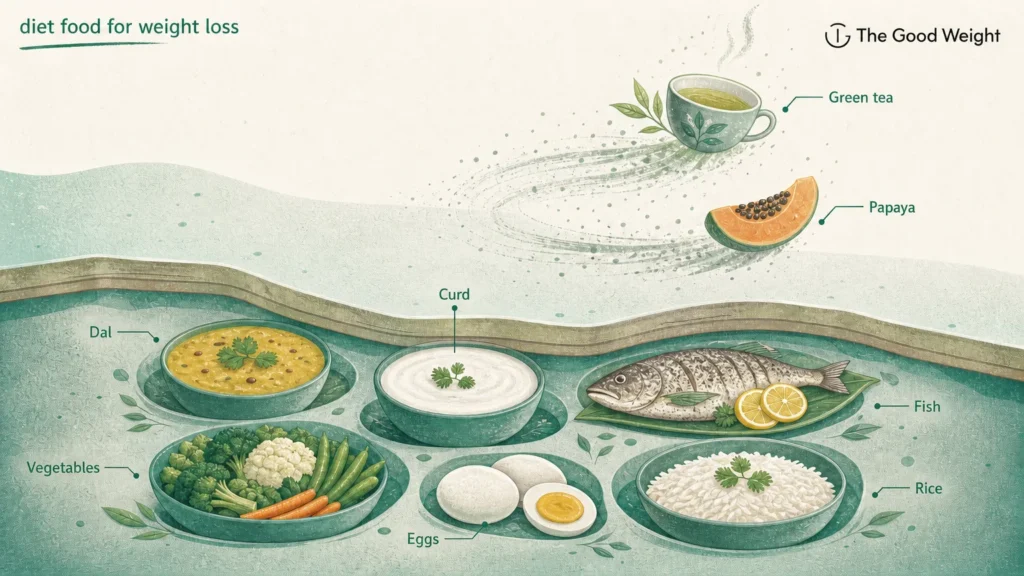
For many Indian households, that can mean building familiar meals around pulses, vegetables, curd, eggs, fish, fruit, and less-refined grain staples rather than relying on “metabolism boosters.” This guide explains which foods may support fullness and metabolic health, how to use them in everyday meals, and when personalised medical nutrition support may be the safer next step.
What “boosting metabolism” really means
Metabolism describes the many processes through which your body uses energy to keep you alive and active. This includes the energy needed for breathing, circulation, digestion, movement, and maintaining body tissues. Your metabolic rate is influenced by factors such as body size, muscle mass, age, genetics, sleep, illness, hormones, medications, and physical activity – not simply by one ingredient in your kitchen.
Some foods do require slightly more energy to digest than others. Protein, for example, has a higher thermic effect than carbohydrate or fat, meaning the body uses somewhat more energy while processing it. However, that difference is modest. It is not large enough for a cup of green tea, a bowl of papaya, or a spoonful of chilli to create significant weight loss without broader changes in food intake and activity.
Research comparing different dietary patterns has repeatedly found that adherence and overall calorie intake matter more than a supposedly perfect macronutrient split. In one major trial, healthy low-fat and healthy low-carbohydrate diets produced similar average weight-loss results over 12 months, reinforcing that there is no universally “fat-burning” food plan.
A more practical question is: Which foods help me stay satisfied, nourish my body, and make a calorie deficit easier to sustain? That is where protein, fibre, minimally processed staples, hydration, and regular meal structure can be genuinely helpful.
Everyday Indian foods that support fuller eating
Rather than labelling foods as good or bad, think about what each meal contributes. A filling plate usually contains a source of protein, fibre-rich plant foods, and a sensible portion of carbohydrates and fats. This combination slows down eating, supports satiety, and can reduce the urge to keep snacking after meals.
The table below shows useful options for a diet food for weight loss pattern. Portions still matter, and the right amount varies based on your health, activity, appetite, medicines, and weight goals.
| Food group | Familiar Indian choices | How it can help | Practical use |
|---|---|---|---|
| Protein-containing foods | Dal, chana, rajma, sprouts, curd, paneer, tofu, eggs, chicken, fish | Protein can improve fullness and helps preserve lean tissue during weight loss. | Include a protein source at every main meal rather than saving it for dinner. |
| High-fibre vegetables | Beans, bhindi, cabbage, cauliflower, spinach, brinjal, gourds, carrots | Vegetables add volume and nutrients with relatively few calories. | Aim for half your lunch or dinner plate to be non-starchy vegetables where practical. |
| Pulses and legumes | Sambar dal, whole moong, kala chana, lobia, masoor, horse gram | They provide both fibre and plant protein. | Use them in curries, salads, sundal, chilla, or mixed with vegetables. |
| Whole-grain staples | Oats, millet, brown rice, red rice, whole-wheat roti, hand-pounded rice | Less-refined staples may support better fullness than highly refined options. | Choose the staple you enjoy and manage the serving; whole grains are not unlimited foods. |
| Fruit | Guava, apple, orange, papaya, pear, berries, banana | Whole fruit provides fibre and can replace a less-filling sweet snack. | Eat fruit whole instead of relying on juice. |
| Fluids | Water, unsweetened buttermilk, plain tea or coffee | Hydration supports normal body function and can help distinguish thirst from hunger. | Keep sweetened drinks and frequent high-calorie beverages occasional. |
Why protein deserves a place at each meal
Protein does not “melt” fat, but it can make a reduced-calorie eating plan more manageable. A systematic review found that higher-protein diets can improve weight loss and body-composition outcomes in some adults, although the best intake depends on the individual. For a vegetarian household, that may mean adding curd to breakfast, choosing a generous serving of dal at lunch, and including tofu, paneer, soy, or beans at dinner.
Protein foods can also bring extra calories, particularly when fried or cooked with large amounts of ghee, cream, cheese, coconut, or oil. Paneer is nutritious, for example, but portion and preparation still count. A doctor or dietitian can help you match protein choices to your kidney health, diabetes status, preferences, and budget.
Fibre, minimally processed foods, and fullness
Fibre-rich foods tend to take longer to chew and add bulk to meals. Vegetables, pulses, fruit, and whole grains can therefore make an energy-controlled diet feel more satisfying. The CDC notes that fruit and vegetables can help people create filling meals with fewer calories, particularly when they replace more calorie-dense foods rather than being added on top.
This is also why a home-cooked meal of rice, sambar, poriyal, curd, and salad may be more supportive than a highly processed “diet” snack. In a controlled study, participants eating an ultra-processed diet consumed about 500 more calories per day than when they ate a minimally processed diet. This does not mean packaged foods must never be eaten; it highlights how food texture, convenience, and palatability can make overeating easier.
Build balanced Indian meals without giving up familiar foods
A sustainable eating plan should fit your routine, culture, cooking skills, and family meals. Start by improving the balance of what is already on your plate rather than attempting a strict menu you cannot maintain.
Breakfast: add protein and produce
If breakfast is usually idli or dosa, keep it – but ensure the meal includes a meaningful protein source. Try idli with a bowl of sambar rich in dal and vegetables, or dosa with sambar plus curd. For a non-vegetarian option, add boiled eggs or an egg bhurji with vegetables.
Other practical choices include vegetable oats with curd, moong-dal chilla with chutney and salad, or upma bulked up with peas, beans, carrots, and a side of curd. A sweetened beverage alone, biscuits with tea, or a small bowl of cereal may leave you hungry soon afterwards. Planning balanced meals and snacks ahead of time can be especially useful on busy workdays.
Lunch: keep the staple, rebalance the plate
You do not need to remove rice or rotis completely to work towards weight loss. Instead, begin with vegetables or salad, include dal, curd, egg, fish, chicken, tofu, or paneer, then serve a measured portion of rice or rotis. For example, a vegetarian lunch could be one or two rotis, mixed-vegetable sabzi, dal, cucumber raita, and salad. A non-vegetarian meal could include rice, fish curry, a vegetable poriyal, rasam, and curd.
The useful change is not “eat only salad.” It is making the carbohydrate portion one component of a balanced meal instead of allowing it to crowd out protein and vegetables. People with diabetes or prediabetes may need more individual guidance on carbohydrate type, timing, and amount.
Snacks: choose what will actually satisfy you
A snack is optional, not compulsory. If you are hungry between meals, choose something that combines protein or fibre rather than only refined starch or sugar. Roasted chana, fruit with curd, buttermilk with a small handful of nuts, boiled eggs, vegetable soup, sprouts chaat, or sundal are practical options.
Be mindful of foods that appear healthy but are easy to overeat, including large portions of trail mix, fried “diet” namkeen, granola, fruit juice, and sugar-sweetened smoothies. The goal is not to eliminate enjoyment; it is to make the usual choice more filling and less likely to lead to a second snack shortly afterward.
Dinner: make it lighter in volume, not poorer in nutrition
Dinner can follow the same meal structure as lunch, with a portion size that matches your hunger and schedule. Vegetable-rich sambar with a small serving of rice and curd, two rotis with dal and sabzi, grilled fish with vegetables, or tofu stir-fry with millet are all workable options.
Try not to use skipped meals to “earn” a large late-night dinner. Long gaps can leave some people overly hungry, making portions harder to manage. A regular pattern of meals is often more sustainable than swinging between strict restriction and overeating.
For more tailored meal support, explore doctor-led diet and weight-loss care, particularly if repeated self-directed plans have not worked.
Claim check: drinks, spices, detoxes, and skipped meals
Use this checklist when you encounter a metabolism claim online:
- “Lemon water burns fat.” Lemon water can be a refreshing way to drink more fluid, but it does not directly burn body fat. It may help only if it replaces a sugary beverage.
- “Green tea or coffee causes major weight loss.” Caffeine may have a small, temporary effect on alertness or energy expenditure, but it is not a treatment for obesity. Sugar, cream, and frequent café drinks can easily cancel any small benefit.
- “Chilli, jeera, turmeric, or ginger melts fat.” These spices add flavour and may help meals feel satisfying. They are not substitutes for an overall eating plan, exercise, sleep, or medical care.
- “Detox juices cleanse the body.” Your liver and kidneys already filter waste products. Juice cleanses are often low in protein and fibre, may cause fatigue or digestive upset, and do not create lasting fat loss.
- “Skipping meals speeds weight loss.” It may reduce calories for some people, but it can also trigger intense hunger and overeating later. The best meal timing is one you can follow consistently and safely.
Healthy weight management is generally built from nutrition, activity, behaviour support, and, when appropriate, medical treatment – not a single remedy. The NIH describes comprehensive obesity treatment as including lifestyle changes alongside medicines or procedures for some people.
When to seek personalised nutrition advice
Food changes are not one-size-fits-all. Please speak with a doctor or registered dietitian before making major dietary restrictions if you are pregnant or breastfeeding, have diabetes or take glucose-lowering medicine, have kidney disease, experience persistent bloating or bowel changes, or have a history of an eating disorder or repeated crash dieting.
Can I follow this approach if I have diabetes risk?
Yes, but carbohydrate portions, meal timing, and medicines may need adjustment. Avoid drastically cutting food or skipping meals if you use insulin or certain diabetes medicines, as this can increase the risk of low blood glucose. A personalised plan can support weight loss while protecting blood-sugar control.
What if I have tried many diets and regained weight?
Weight regain is common and is not a personal failure. Appetite, stress, sleep, medications, hormones, and metabolic adaptations can all affect progress. If dieting has become exhausting or your weight is affecting health, a weight-loss doctor consultation can help identify whether nutrition support, testing, medication, or another evidence-based option is appropriate.
Do I need a strict vegetarian or non-vegetarian meal plan?
No. Both vegetarian and non-vegetarian Indian eating patterns can support sustainable weight loss. What matters most is regularly including adequate protein, vegetables, fibre-rich foods, and portions that fit your energy needs. Your plan should also respect religious practices, budget, cooking access, and family preferences.
A practical next step for sustainable weight loss
The most useful diet food for weight loss is not a rare superfood or a restrictive detox. It is the set of everyday foods that help you build meals you can repeat: protein-containing foods, vegetables, pulses, fruit, minimally processed staples, and drinks without excess added sugar.
If you are in Chennai and want a plan built around your health history, routine, appetite, and food preferences, book a doctor-led nutrition and metabolic-health assessment with The Good Weight. Sustainable weight loss is more achievable when your care is personalised, evidence-based, and designed for real life.