
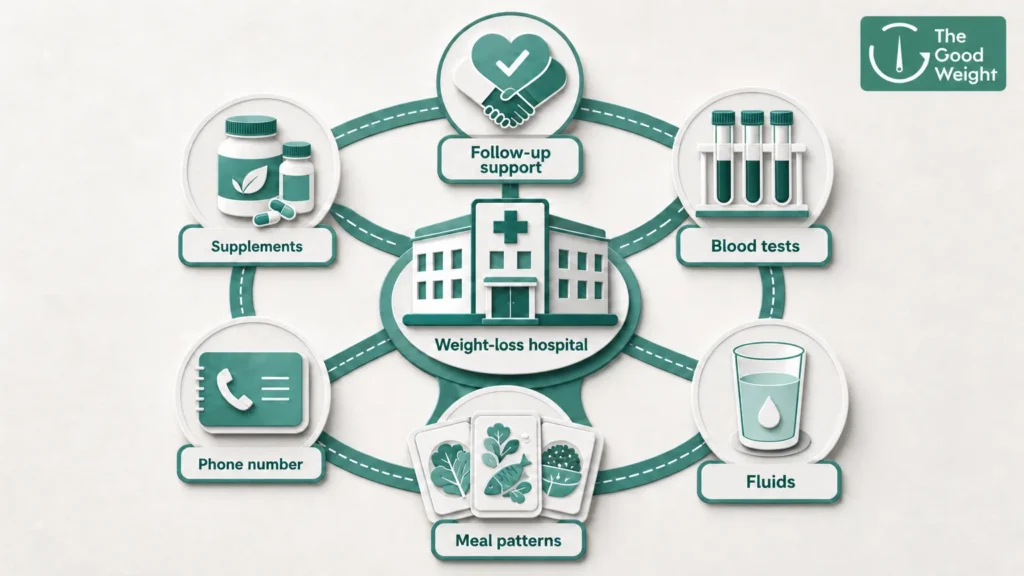
Choosing a weight-loss hospital is about more than selecting a surgeon or comparing procedure costs. Bariatric surgery can be an important treatment for obesity and related metabolic conditions, but the procedure is only one part of a longer care journey. Before booking, it is worth asking a practical question: Who will help me manage nutrition, movement, symptoms, tests and lifestyle changes after I go home?
For people comparing bariatric providers in Chennai, the quality of aftercare can be as important as the operation itself. A hospital should be able to explain, clearly and specifically, how it provides exercise guidance and follow-up after weight-loss surgery – not simply state that “support is available.” This guide explains what to look for, which questions to ask, and how to identify a follow-up plan that fits your health needs and circumstances.
Why follow-up is part of the treatment, not an optional extra
Bariatric surgery changes the digestive system to support meaningful weight loss and can improve obesity-related conditions for many eligible patients. However, it also changes how a person eats, drinks, tolerates certain foods and absorbs nutrients. The need for ongoing clinical monitoring is one reason bariatric surgery requires long-term lifestyle and medical follow-up, rather than being treated as a one-time intervention.
A procedure may help reduce physical hunger, food capacity or nutrient absorption, depending on the operation performed. It does not automatically teach a patient how to meet protein needs, recognise dehydration, build activity safely, use supplements correctly or respond to changing medical conditions. Those practical aspects are where surgeon reviews, dietitian input and activity guidance become essential.
Research also suggests that continuing follow-up is associated with better postoperative engagement and outcomes. For example, attendance at follow-up visits has been linked with postoperative weight-loss outcomes. This does not mean every patient who misses an appointment will have a poor result, or that appointments alone guarantee success. It does mean that regular contact gives the team opportunities to identify problems early and adjust the care plan before a small concern becomes more difficult to manage.
For this reason, compare each weight loss hospital in Chennai on more than its operating facilities. Ask who owns your care after discharge, how long formal follow-up continues, and whether the plan includes support from clinicians beyond the operating surgeon. The right arrangement should feel structured, accessible and appropriate for your procedure and health history.
What a structured follow-up pathway should include
A good aftercare pathway is not identical for every person. Follow-up frequency and testing may differ according to the procedure, pre-existing conditions, medication use, recovery progress and nutritional risk. Still, a bariatric provider should be able to outline the core elements of care before you commit.
Surgeon or bariatric physician review
Early postoperative reviews allow the clinical team to assess wound healing, hydration, pain, gastrointestinal symptoms, tolerance of the prescribed diet stage and the return to everyday activities. Over time, reviews may also focus on weight trends, medication changes, complications, reflux, gallbladder symptoms or concerns related to the procedure itself.
Ask whether your appointments will be led by the operating surgeon, a bariatric physician, another clinician in the team, or a combination. There is no single staffing model that suits every hospital, but there should be a named clinical lead with responsibility for escalation and decision-making. A vague promise that you can “see someone if needed” is less reassuring than a defined schedule and contact pathway.
Dietitian-led nutrition guidance
After bariatric surgery, eating progresses gradually, often from liquids to texture-modified foods and then to longer-term meal patterns. The pace is individual and should be set by your clinical team. A dietitian can help you understand portion tolerance, protein priorities, fluid intake, meal timing and strategies for common difficulties such as nausea, constipation or food intolerance.
Nutritional review is particularly important because some procedures can affect nutrient absorption. The American Society for Metabolic and Bariatric Surgery’s nutrition guidance emphasises ongoing micronutrient assessment and supplementation after metabolic and bariatric surgery. Before surgery, ask whether dietitian consultations are included, how often they occur and whether you can access extra support if eating becomes difficult.
At The Good Weight, patients considering procedures can also explore how post-procedure weight-loss support may fit alongside individual nutrition and lifestyle needs. The key point is not to follow a generic internet diet, but to receive advice that matches your operation, recovery stage and medical profile.
Supplement discussions and blood-test monitoring
A responsible follow-up plan should explain which supplements may be recommended, why they matter and how the recommendations may change over time. Supplement needs vary by procedure and by blood-test results. Do not assume that an over-the-counter multivitamin is automatically sufficient, or stop prescribed supplements simply because you feel well.
Ask which blood tests are routinely monitored, when they are checked and who reviews the results with you. Depending on your surgery and personal circumstances, clinicians may monitor markers related to blood count, iron status, vitamin levels, calcium, bone health, kidney function or metabolic conditions. This is important because nutritional deficiencies can develop gradually and may not always cause obvious early symptoms.
Safe access to the care team
Postoperative care should include a clear way to contact the hospital between planned appointments. Find out whether you will receive a phone number, messaging route, patient coordinator contact or teleconsultation option. More importantly, ask what happens after hours and which concerns require immediate emergency evaluation rather than waiting for a routine callback.
A clinic that offers remote consultations can be particularly helpful for patients who live far from the hospital, travel frequently or have work and caregiving commitments. Remote support should complement – not replace – urgent in-person assessment when symptoms require it.
How exercise guidance changes through recovery
Movement after bariatric surgery is not about “earning” food or pursuing rapid weight loss. In the early stages, it supports circulation, respiratory health, confidence and a gradual return to daily function. Later, activity can help preserve strength, mobility and cardiometabolic health. Evidence reviews indicate that physical activity after bariatric surgery can support weight-management and health outcomes, although the most suitable activity plan varies widely between patients.
Early recovery: protect healing and prevent prolonged inactivity
In the immediate recovery period, the focus is usually gentle, frequent movement as advised by the surgical team. Your hospital should explain how to move safely after discharge, what lifting or exertion restrictions apply, and when it is appropriate to return to driving, work and household tasks.
This is not the time to copy another patient’s walking target, gym routine or social-media exercise plan. Pain levels, surgical approach, complications, sleep, mobility, age and other medical conditions can all influence recovery. Ask the team who to contact if you are unsure whether a symptom or level of exertion is normal.
Building routine: increase activity with clinical clearance
As healing progresses, exercise guidance can become more structured. The aim is usually to build a sustainable routine that fits your starting fitness level and protects muscle function, joints and confidence. Some patients may benefit from input from a physiotherapist, exercise professional or clinician experienced in working with people after bariatric surgery.
A worthwhile provider should explain whether activity advice is general education or personalised support. For example, a patient with knee osteoarthritis, diabetes-related neuropathy, severe deconditioning or previous cardiac concerns may need a more tailored progression than someone returning to activity without those barriers.
Long-term activity: focus on function, strength and consistency
Once cleared for broader exercise, the long-term goal is not a fixed “ideal” workout plan. It is finding physical activity that can be performed safely and maintained over time. Walking, swimming, cycling, resistance training, chair-based movement and supervised rehabilitation can all have a place, depending on individual ability and preference.
When comparing providers, ask whether the activity plan is revisited at later follow-ups rather than discussed only before discharge. Your needs may change as weight, mobility, medication use, work demands and confidence change. A sustainable approach is more valuable than a short burst of intensive activity that is difficult to continue.
Questions to ask a bariatric clinic before booking
Take this checklist to consultations or use it when comparing more than one weight loss hospital. A good provider should welcome these questions and give direct answers rather than relying on broad assurances.
Printable aftercare comparison checklist
-
What is the planned follow-up schedule? Ask about reviews in the first days and weeks, the first year, and longer-term monitoring. Clarify whether appointments are included in the package or billed separately.
-
Who leads each stage of follow-up? Identify the surgeon, bariatric physician, dietitian, nurse coordinator and any activity or rehabilitation professional involved. Ask who has final clinical responsibility if concerns overlap.
-
How is the diet progression explained? Find out whether you receive written stage-by-stage guidance, personalised food advice and a way to ask questions if you cannot tolerate a recommended food or drink.
-
What nutritional supplements and tests are discussed? Ask which tests may be needed, how often results are reviewed and whether the team gives written instructions about supplements.
-
How is exercise guidance handled? Ask whether movement advice is tailored to your procedure and health history, when progression is reviewed, and whether referral options are available for mobility or pain concerns.
-
What is the urgent escalation process? Request clear instructions for evenings, weekends and emergencies. Know whether you should call the hospital, attend an emergency department or contact the surgeon directly for specific symptoms.
-
Are video or phone follow-ups available? If you live outside central Chennai or cannot travel often, ask which appointments can safely be conducted remotely and which must be in person.
-
What happens if I need more support? Ask whether additional dietitian reviews, mental-health referrals, medication reviews or clinician appointments are available if weight regain, eating difficulties or health changes arise.
Facility standards can matter too. If a hospital refers to accreditation or specialty certification, ask what that means in practice for care coordination, staff expertise and patient safety. The Joint Commission’s certification programmes are one example of how healthcare organisations may seek recognition for meeting defined clinical standards, although certification alone should never replace your own questions about day-to-day follow-up.
Signs that you should contact your clinical team
Online advice can be useful for preparing questions, but it cannot assess postoperative symptoms or replace the instructions given by your treating team. Contact details and warning signs should be provided before discharge. If you believe you are having a medical emergency, seek urgent emergency care rather than waiting for a routine appointment.
What symptoms need urgent advice after surgery?
Contact your surgical team urgently, or seek emergency assessment as instructed, for severe or worsening abdominal or chest pain, trouble breathing, fainting, confusion, persistent rapid heartbeat, fever, repeated vomiting, inability to keep fluids down, significant bleeding, black stools, wound redness or discharge, or swelling and pain in one leg. These symptoms can have many possible causes, but they should not be self-managed through online advice.
The potential benefits of surgery should always be weighed alongside recognised risks and the need for ongoing care. NIDDK notes that bariatric surgery can involve both health benefits and surgical or nutritional risks, which is why a clear escalation pathway matters.
When should I ask for help with food or fluids?
Do not wait for a scheduled review if you are unable to meet fluid goals, repeatedly vomit, feel persistently dizzy, struggle to tolerate the prescribed diet stage or have ongoing diarrhoea, constipation, reflux or abdominal discomfort. Early advice may help the team determine whether a diet adjustment, medication review, examination or testing is needed.
Similarly, contact the team before making major changes to prescribed supplements or medications. Diabetes, blood-pressure and other medicines may need adjustment as intake and weight change. That decision should be guided by the clinician managing your care.
What about low mood, stress or changes in eating?
Emotional adjustment after surgery deserves the same respect as physical recovery. Contact the team if low mood, anxiety, loss of control around eating, alcohol concerns, body-image distress or difficulty coping is affecting your health or ability to follow the plan. A comprehensive bariatric pathway should be able to advise on appropriate support or referral rather than treating these concerns as a personal failure.
Choosing care based on your individual needs
There is no universally “best” follow-up model. The most appropriate arrangement depends on your procedure, medical history, recovery risks and practical ability to attend reviews. A person having a procedure with greater potential for malabsorption may need especially close nutritional surveillance, while someone with diabetes may need timely medication adjustment and glucose monitoring.
Travel distance also matters. A hospital near home may make in-person reviews easier, but a more distant provider with robust telehealth, fast escalation and coordinated local testing may be workable for some patients. What matters is that you understand which parts of care can happen remotely and how urgent in-person care will be arranged.
Family support is another valid consideration. If a spouse, adult child or friend will help after surgery, ask whether they can attend education sessions or receive guidance – with your consent – about diet stages, warning signs and appointment plans. A shared understanding can make the transition home safer and less stressful.
If you are still exploring non-surgical options, a doctor-led discussion can help clarify whether surgery, medication, endoscopic treatment or structured lifestyle care is most appropriate. The Good Weight’s medical weight-loss care and weight-loss clinic in Chennai resources can help you understand how personalised nutrition, diagnostics and ongoing clinical guidance may support broader metabolic health goals.
Make aftercare part of your decision
A bariatric procedure should never be evaluated in isolation. When comparing a weight loss hospital in Chennai, look for a clear, clinically owned plan for surgeon reviews, dietitian guidance, activity progression, supplement discussions, testing and urgent communication. The best plan is not necessarily the one with the most appointments; it is the one that is transparent, accessible and suited to your procedure and health needs.
If you are considering bariatric surgery or another evidence-based weight-management option, book an assessment with The Good Weight to discuss procedure suitability and the nutrition, activity and follow-up support that may be appropriate for your individual care plan.