
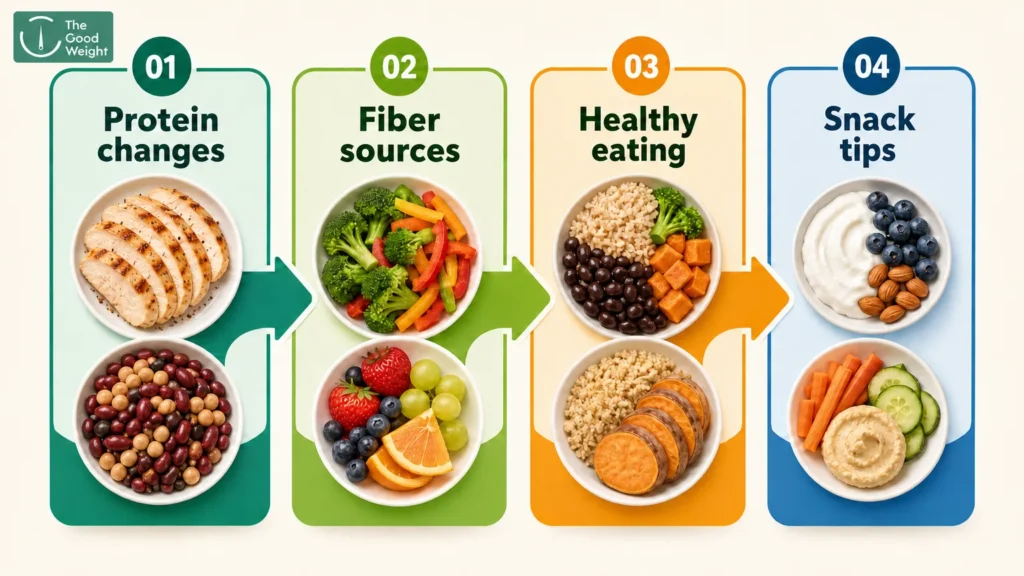
Healthy eating and weight loss can start with a few repeatable decisions, rather than a punishing reset.
Monday morning has a strange power over people. It can turn one takeaway meal, one missed workout, or one uncomfortable photo into a promise to “get serious” tomorrow. Then tomorrow arrives with a flood of rules: cut carbs, skip breakfast, stop eating after 7 p.m., buy expensive powders, track every gram, never eat dessert again.
No wonder getting started feels hard.
For many people, the question “How do I start a healthy weight-loss journey?” comes with shame attached. They may feel they should already know what to eat, or believe that past attempts prove they lack discipline. But healthy eating and weight loss rarely fall apart because someone did not find the perfect meal plan. They fall apart because the plan asks too much, too soon, while doing very little to manage hunger, routines, workdays, family meals, or plain old decision fatigue.
A steadier start looks less dramatic. It often comes down to three food changes: build meals that keep you full, stop treating breakfast and snacks as random extras, and create one weekday routine you can repeat without a spreadsheet. Small? Yes. But small decisions repeated for months carry more weight than a perfect first week followed by burnout.
A practical definition: Healthy eating and weight loss means creating an eating pattern that supports a calorie deficit without leaving you constantly hungry, socially isolated, or exhausted by food decisions.
Why restriction is a rough place to begin
The first mistake people make is starting with subtraction. They remove rice, bread, snacks, fruit, dairy, restaurant meals, or entire food groups before they have built a meal pattern that feels steady. Skipping meals can look disciplined at 10 a.m. By 5 p.m., it may turn into the familiar combination of headache, irritability, and a snack cupboard that suddenly feels very persuasive.
I’ve seen this pattern play out in ordinary life: coffee for breakfast, a rushed lunch or no lunch, then a large evening meal eaten standing in the kitchen. The person often blames the dinner. But dinner was not the beginning of the problem. Chaotic hunger started much earlier.
Weight loss does involve eating differently, and often eating less overall. The CDC describes gradual, steady loss of about 1 to 2 pounds per week as more likely to stay off than rapid loss. Still, “less” does not need to mean “barely enough to function.” Meals with some structure make it easier to eat an amount that fits your goals without turning every afternoon into a white-knuckle test.
Social media adds another trap. Someone else’s breakfast of black coffee and egg whites may suit their schedule, appetite, medical needs, or editing style. It may also be miserable. Your plan has to work on a Tuesday when you slept badly, have meetings all day, and need to feed other people at home. That’s the test.
Healthy eating and weight loss starts with fullness, not fear
A plate built around fullness gives hunger fewer chances to take over the day. Start with protein. Add a high-fiber carbohydrate or vegetable. Include a modest amount of fat for taste and satisfaction. You do not need a flawless macro split, and you do not need to eat “clean” to make progress.
Put protein on the plate first
Protein tends to be more filling than many highly refined snack foods, and research has linked higher-protein eating patterns with appetite control and weight-management support in some settings. A review of protein and appetite regulation discusses how protein may affect fullness signals and food intake, though the right amount varies from person to person.
At breakfast, that might mean eggs with vegetables and toast, Greek yogurt with fruit and nuts, or a savory lentil chilla with curd. At lunch or dinner, start by asking, “What is my protein here?” Chicken, fish, tofu, paneer, beans, lentils, eggs, yogurt, and soy can all fit.
The goal is not to make every meal a bodybuilding meal. A bowl of pasta can still be dinner. It will simply hold you longer if it includes chicken, beans, tofu, or a side of yogurt and vegetables instead of arriving as a large bowl of noodles alone.
Give fiber a real job
Fiber-rich foods take up space on the plate and bring texture, chewing, and volume. Vegetables, fruit, beans, oats, whole grains, and lentils can make meals feel more complete without relying on large portions of highly processed foods. The Dietary Guidelines for Americans encourage dietary patterns built around vegetables, fruits, whole grains, and protein foods.
Try a simple plate formula at one meal each day:
-
Choose a protein anchor. Pick eggs, dal, fish, chicken, tofu, paneer, yogurt, or beans. A visible protein source keeps the meal from becoming mostly starch.
-
Add produce or a fiber-rich side. Use vegetables in a stir-fry, salad, soup, curry, or roasted tray. Fruit works well when vegetables are not practical.
-
Keep a carbohydrate you enjoy. Rice, roti, potatoes, oats, or bread can stay. Measure by hunger and satisfaction, not fear.
Predictable timing matters too. You do not have to eat at identical hours every day. But if your body repeatedly goes six or seven waking hours with little food, intense hunger later is not a personality failure. It is a predictable response.
Breakfast and snacks are where rebound hunger often begins
A breakfast of only tea, coffee, or a pastry may feel harmless because it is quick. Yet many people find themselves hungry again before lunch, then spend the rest of the day trying to “be good” around food. Breakfast is not mandatory for every person, but an accidental breakfast of caffeine and hope is rarely a useful plan.
Research on breakfast and body weight is more mixed than popular advice suggests. A systematic review of randomized trials found that adding breakfast did not automatically lead to weight loss. The useful question is not “Must I eat breakfast?” It is “What happens to my appetite and food choices on the days I do or do not eat it?”
Take Priya, who begins with sweetened coffee and a biscuit because she is getting children ready for school. By noon, she is ravenous and orders a larger lunch than she intended. She later skips an afternoon snack to compensate, then eats chips while preparing dinner. The issue is not that she lacked willpower. Her first meal did not give her enough staying power.
A more workable breakfast might be:
-
Greek yogurt or curd, fruit, and nuts: This needs no cooking and combines protein with a little fat and fiber. Use plain yogurt where possible, then add sweetness with fruit rather than a large pour of syrup.
-
Eggs with toast and fruit: Two eggs, a slice or two of toast, and fruit can be far more satisfying than a pastry grabbed on the run. Add leftovers or frozen vegetables if you enjoy a savory breakfast.
-
Besan chilla or vegetable oats with curd: These work well for people who prefer familiar Indian breakfast flavors and want a meal that will carry them into lunch.
Snacks deserve the same thought. A snack is not a moral failure or proof that lunch “wasn’t healthy.” It can be a planned bridge between meals. Keep two defaults nearby, such as roasted chana and fruit, yogurt and berries, or an apple with peanut butter. Then the 4 p.m. decision does not start in front of a vending machine.
Pick one weekday routine and make it boring on purpose
Food plans often collapse under too many choices. The way I see it, boredom gets an unfair reputation here. A repeatable lunch or snack routine can free up mental energy for the parts of life that actually need it.
Choose one routine for weekdays, then run it for two weeks before judging it. Maybe lunch is a grain bowl with leftover protein, chopped vegetables, and a yogurt-based dressing. Maybe you buy the same four grocery items every Sunday: eggs, fruit, yogurt, and a protein you can cook once for several meals. Or maybe your routine is packing an afternoon snack before leaving home.
Here is a simple weekday lunch template:
| Part of the meal | Examples |
|---|---|
| Protein | Chicken, fish, tofu, paneer, dal, chickpeas, eggs |
| Vegetables | Cucumber, carrots, greens, cabbage, roasted vegetables, mixed salad |
| Carbohydrate | Rice, roti, potato, oats, quinoa, whole-grain bread |
| Flavor | Salsa, lemon, herbs, curd, spice mix, chutney in a sensible portion |
Notice what is absent: perfection. You can use frozen vegetables. You can eat the same lunch four times. You can buy rotisserie chicken or pre-cooked lentils when work gets messy. A routine should feel like a handrail, not a prison.
People with PCOS, diabetes, pregnancy-related weight changes, or medication needs may need more individualized adjustments around carbohydrate intake, meal timing, and appetite. That is where a female-focused weight-loss diet plan can be more useful than copying a generic menu from the internet.
A self-start plan has limits, and that is okay
Some people can make steady progress with basic food routines, movement, sleep, and time. Others need more support because biology, medical history, or repeated dieting has made the process harder. Asking for help is not “giving up.” It is choosing a plan with more structure.
Check in with a clinician or dietitian if any of these patterns sound familiar:
-
You repeatedly lose weight, regain it, then restart more aggressively. The regain cycle can leave people feeling defeated and can encourage more restrictive plans that repeat the same problem.
-
Your appetite swings feel extreme. Frequent binge episodes, long periods of restriction, or intense food anxiety deserve care that takes both physical and emotional health seriously.
-
You have PCOS, diabetes, sleep apnea, high blood pressure, or other metabolic concerns. These conditions can affect weight management and may call for medical assessment alongside nutrition support.
-
You are considering weight-loss medication or a procedure. Those options need screening, follow-up, and an eating plan that fits the treatment.
The National Heart, Lung, and Blood Institute notes that obesity treatment may include lifestyle changes, medicines, or procedures depending on a person’s health and circumstances. That range matters. No single route suits everyone.
For people who want medical input, doctor-supervised medical weight-loss care can bring nutrition coaching, diagnostics, and treatment choices into one plan. A medical conversation can also rule out issues that make self-directed dieting feel unusually difficult. Sometimes the missing piece is not more discipline. It is better information.
What progress looks like before the scale catches up
Weight is one signal, but it does not tell the whole story from week to week. Salt intake, menstrual cycles, travel, constipation, strength training, and sleep can all shift the number. Watching only the scale can make a normal fluctuation feel like failure.
Look for practical signs too. Are you reaching dinner less frantic? Are you packing lunch more often? Did you eat a satisfying breakfast three days this week instead of none? Those changes count because they are the behaviors that can continue when motivation drops.
The Diabetes Prevention Program offers a useful reminder that lifestyle work can have measurable health effects. In its major trial, participants assigned to intensive lifestyle change reduced their risk of developing type 2 diabetes by 58%, compared with placebo. The program did not depend on a seven-day cleanse. It used modest weight-loss goals, food changes, physical activity, and ongoing support.
Point being, you do not need to wait for a “perfect” week to notice momentum. Keep a short note on your phone for two weeks: meals that kept you full, times of day you felt most hungry, and situations that made eating feel rushed. Patterns show up fast when you are looking for them.
Frequently asked questions about beginning weight loss
Do I need to cut out rice, bread, or sugar completely?
No. Many people lose weight while eating rice, bread, or occasional sweets. Portion size, meal balance, frequency, and the rest of your eating pattern matter more than declaring a food forbidden. Hard bans can make a food feel louder in your mind, which is a frustrating way to spend a Tuesday afternoon.
How much protein should I eat for weight loss?
The answer depends on body size, age, activity, kidney health, food preferences, and medical history. Start by including a clear protein source at meals rather than chasing a number from social media. A registered dietitian or clinician can set a personal target when needed.
Should I skip snacks to lose weight faster?
Not if skipping snacks leaves you overly hungry and more likely to overeat later. A planned snack can help you arrive at dinner calm enough to make a choice you feel good about. Test it for a week and pay attention to your actual hunger, not diet rules.
What should I do after an off-plan meal?
Eat your next normal meal. Do not punish yourself with a fast, a punishing workout, or a “restart Monday” speech. One meal cannot erase your progress, but the restrict-and-rebound cycle can make the next several days harder.
Start with the next meal, not a new identity
The first day does not need to look impressive. Make one meal more filling. Pack one snack. Repeat one lunch. Then do it again when the week gets inconvenient, because it will.
Healthy eating and weight loss work better when your habits can survive birthdays, deadlines, bad sleep, and the occasional plate of food you did not plan. Perfection has no useful role here. Adjustment does.
If you want help turning those early food changes into a plan shaped around your health history, appetite, and goals, explore diet and weight-loss support with The Good Weight. For personalized, medically supervised care, learn more at The Good Weight.