The Good Weight

Blogs

Calorie Deficit

Why Am I Not Losing Weight in a Calorie Deficit? 15 Hidden Causes You Should Know

You’ve been skimping on your food intake. You’ve given up on desserts, counted your calories, started regularly exercising and are trying to be consistent. However, every time you step on the scale, it’s only a slight increase. If you’ve asked yourself the question, “Why am I not losing weight in a calorie deficit?,” then you’re not alone. It is one of the most asked problems of the people while they are on a weight loss program. Keeping a calorie deficit is crucial to weight loss, but it’s not all there is to it. Your metabolism, hormones, sleep patterns, stress, medication, and health issues all impact the way that your body utilizes and stores energy. If your weight has not changed despite consistent effort, one or more of these hidden factors may be responsible. 1. You May Not Actually Be in a Calorie Deficit The first is you are not necessarily in a calorie deficit. Even the most disciplined can be off target for calorie consumption. Little extras like cooking oil, salad dressings, sugary drinks, coffee creamers, or frequent “good-for-you” snacks can add quickly. Calories on the weekends may also compensate for the calorie deficit that occurs throughout the week. But before automatically jumping to the conclusion that something is amiss, portion sizes should be looked at and the meals should be accurately recorded. 2. Your Metabolism Has Adapted When you keep the calories down for an extended amount of time, the body will, naturally, conserve energy. The term adaptive thermogenesis (your body’s way of slowing metabolism when you’re trying to lose weight) describes this effect, which decreases the amount of calories burned day-to-day. That’s one of the reasons for weight-loss plateaus during crash diets. 3. You are losing fat, but gaining muscle. For those who have just begun to strength train, it may not be so simple as the scale reading. You may not lose weight, but you may be able to reduce your waist size and increase your body fat percentage as your muscles gain lean mass and your body fat reduces. Progress photos and body measurements can be a more accurate reflection than a weighing scale. 4.  Insulin Resistance Is Affecting Fat Loss One of the most prevalent metabolic problems that makes it hard to lose weight is insulin resistance, or a situation where the cells don’t react well to insulin. The body responds to the glucose by creating insulin which promotes fat storage and reduces utilization of fat for energy. Signs may include: Gaining weight in the belly area Constant hunger Sugar cravings Fatigue after meals Pre diabetes 5. Your thyroid may be slowing your metabolism down. If the thyroid is under active, or hypothyroid, then many activities in the body are slowed down, including the metabolism. Some of the other symptoms of thyroid disorders include thinning hair, sensitivity to colds, constipation, dry skin, and unexplained weight gain. 6. PCOS(PMOS) Makes Weight Loss More Difficult Polycystic Ovary Syndrome (PCOS) is now referred to as PMOS (Poly endocrine Metabolic Ovarian Syndrome) and for many women is a condition that has an impact on more than just their reproductive health. Insulin resistance and hormonal imbalance are often linked with PCOS, making it hard to shed pounds with good eating habits. Some of the most frequent signs are irregular periods, acne, an excess of facial hair growth, and weight retention in the abdomen. 7. Bad sleep is on your side Sleep is a big factor that is not considered when it involves weight management. Regularly having less than 7 hours of sleep wreaks havoc on hormones that control hunger and fullness. Consequently, you might feel more hungry, have a greater appetite, feel less energetic, and have slower metabolic activity. Enhanced sleep quality can help promote healthier eating patterns and metabolic health. 8. Chronic Stress Raises Cortisol Levels A prolonged stress can raise cortisol, which is also known as the stress hormone. Chronic elevated cortisol levels can promote fat in the belly and can make one more tempted to eat high calorie comfort foods. When paired with poor sleep, stress can work its magic without you realizing it’s hindering your weight loss. 9. Some Drugs Affect Weight Weight gain or slower weight loss may be contributed by some prescription drugs. Some antidepressants, steroids, diabetes drugs and some hormone treatments. Do not discontinue medications prescribed by health care providers. 10. Hormonal changes during menopause As with most other hormonal changes that occur during menopause, loss of estrogen may cause a change in body composition, decrease muscle mass, and redistribute fat to the abdomen. A lot of women find that the tactics that have been effective for them in their 30s cannot be duplicated in their 40s. 11. Fatty Liver Disease May Affect Metabolic Health Non-alcoholic fatty liver disease (NAFLD) closely associates with obesity, insulin resistance and metabolic disorder. If liver function is impaired, controlling body weight is even more challenging, and it is particularly important to assess liver health. 12. Water Retention Can Mask Fat Loss Occasionally, the scale is measuring water weight instead of fat. Fluctuations in hormones, stress, too much sodium in the diet, or some prescriptions may cause a temporary increase in fluid retention that can give the false appearance of weight loss stalls. 13. Not getting sufficient protein. Protein helps to maintain muscle and promotes fullness. If you lose weight without the right protein, your body could be stripping your body of muscle mass and this can cause your metabolism to decrease slowly. 14. You’re moving less than you think However, there are many people who, when they begin to trim the fat, end up being less active than they were previously. This decrease in calories expended on non-exercise activity thermogenesis (NEAT) – the calories burned in normal daily activities like walking, standing, and housework can have a significant impact on total daily energy expenditure. 15. An underlying metabolic condition is not being identified. At times the scale may be more indicative of a medical instead of

Why Am I Not Losing Weight in a Calorie Deficit? 15 Hidden Causes You Should Know Read More »

How to Lose Weight with PCOS

How to Lose Weight with PCOS (Now Called PMOS): What Every Woman Should Know

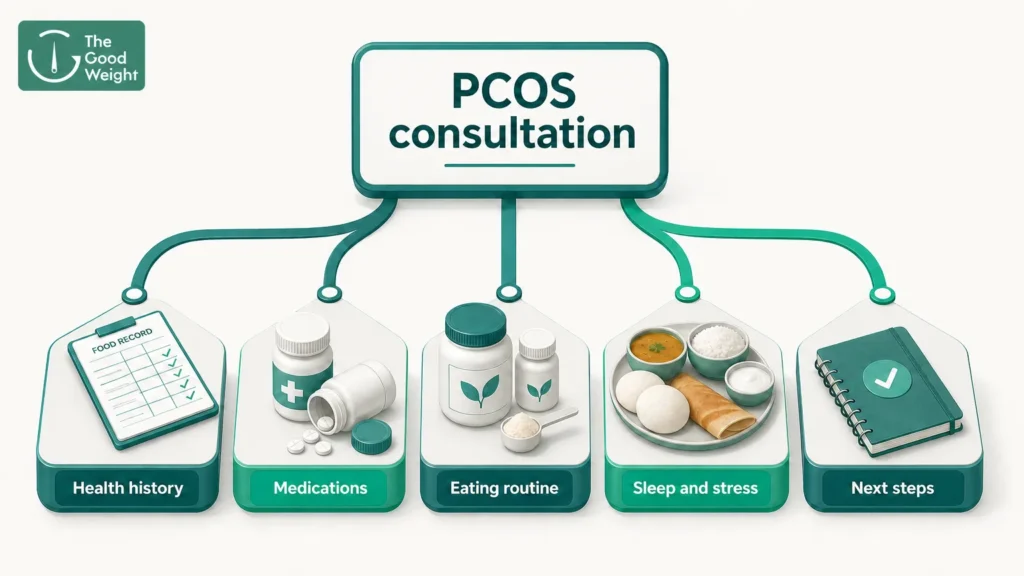
For women with Polycystic Ovary Syndrome (PCOS) weight loss can seem like a struggle. You could be eating right, exercising regularly, and doing all the “right” things, and the scale still won’t budge. If you can relate to this, you’re not the only one. Many women are unaware that PCOS is a more than just a reproductive disorder. In 2026, an international expert consensus proposed the name change to reflect the hormone and metabolism nature, which is now Poly endocrine Metabolic Ovarian Syndrome(PMOS). The new name reflects the fact that the condition impacts the whole body’s metabolism, not just the ovaries. Here at The Good Weight, we feel that sometimes weight gain is a symptom, not a problem. The first step in achieving sustainable weight loss is to grasp the metabolic shifts which occur in the body of a PCOS patient that makes weight loss more difficult. What Makes Weight Loss Harder When You Have PCOS? A major cause is insulin resistance, which is when the cells in the body are less sensitive to insulin. In response, the body makes more insulin, leading to higher appetite, fat storage and a more gradual rate of weight loss. PCOS also impacts hormones that control appetite, energy balance and fat distribution. Traditional calorie counting methods may not be as effective as metabolic changes are caused by poor sleep, chronic stress, inflammation, and decreased muscle mass. Studies also indicate that unchecked, these factors can increase women with PCOS to developing pre diabetes, Type 2 diabetes, and other metabolic conditions. How Can You Lose Weight With PCOS the Best Way? There is no one-size-fits-all “PCOS diet. Each woman’s metabolism is unique, so custom-made treatment is more likely to be effective than the trend diets. Don’t aim for fast weight loss, but instead work on improving metabolic health by adopting sustainable habits. Consume protein at each meal to maintain muscle and help you feel full. Opt for vegetables, fruits, legumes and whole grains that are high in fiber to help control blood sugar. Moderate amounts of healthy fats from nuts, seeds, and olive oil can also help keep hormones balanced. Regular exercise is also important. Strength training will help maintain lean muscle, and walking, biking, swimming or other activities you enjoy will increase insulin sensitivity and cardiovascular health. These lifestyle changes are paired with proper sleep and stress control, making healthy weight loss more possible. The Importance of Treating the Root Cause Many women get frustrated because they are addressing only the symptom weight gain and not the cause. In many cases with PCOS, it’s not a matter of willpower, but rather the excess weight is closely associated with insulin resistance and metabolic dysfunction. Weight loss can be temporary from a mere change in eating habits, but it can be a challenge to keep the weight off if the underlying hormonal and metabolic imbalance is not corrected. (Src: World Health Organization) Tips to Lose Weight With PCOS (PMOS) Losing weight with PCOS is rarely about following the strictest diet or spending hours in the gym. Because hormonal imbalances and insulin resistance often make weight loss more challenging, the goal should be to build sustainable habits that improve metabolic health over time. Here are some practical strategies that can help: Prioritize protein and fibre-rich foods to stay fuller for longer and help regulate blood sugar levels. Choose regular physical activity that you enjoy, such as brisk walking, strength training, yoga, or cycling. Consistency is more important than intensity. Aim for 7–9 hours of quality sleep, as poor sleep can worsen insulin resistance and increase hunger hormones. Manage stress effectively through mindfulness, meditation, or other relaxation techniques, as chronic stress may contribute to hormonal imbalances. Follow your treatment plan consistently, including medications or supplements prescribed by your healthcare provider. Avoid crash diets or extreme calorie restriction, which are difficult to sustain and may negatively affect your metabolism. Sustainable weight loss is built on realistic lifestyle changes rather than quick fixes. Commenting in a Hindustan Times feature, Dr. Neha Shah, Founder and Bariatric Surgeon at The Good Weight, highlights that long-term success comes from developing healthy habits that can be maintained for years—not following restrictive diets that offer only temporary results. For women with PCOS, this approach becomes even more important because addressing the underlying metabolic and hormonal factors is just as essential as making healthy lifestyle choices. What Are the Ways Doctors Check for Weight Gain in PCOS? If lifestyle changes have not yielded the results desired, a medical evaluation can be helpful. Your doctor will check blood glucose, HbA1C, thyroid function, hormone levels, liver function and body composition, depending on your symptoms. These tests can be useful in determining if there are metabolic abnormalities that are interfering with weight loss and can help to develop a tailored treatment plan rather than “trial and error”. The Mayo Clinic says lifestyle changes and medical evaluation and treatment, based on a person’s symptoms and metabolic profile, are often essential to successful management of PCOS. (Src: Mayo Clinic) When to Go to the Doctor? If you’re having trouble losing weight even with healthy eating and regular exercise, if your periods are irregular or absent, you have a lot of facial hair, acne, unexplained weight gain, or if you feel like you’re always tired and have a lot of cravings for sugar, then you may want to seek medical advice. Early assessment may reveal the presence of underlying metabolic or hormonal disorders before they become more serious health issues. A Healthier Metabolism is the Goal Living with PCOS does not mean weight loss is impossible. It simply means your body may require a different approach, one that recognizes the role of hormones, insulin resistance, and metabolic health rather than focusing only on calorie restriction. At The Good Weight, our philosophy is Heal the Root. Lose the Weight. Through medically supervised metabolic assessments and personalized treatment plans, we help identify the underlying causes affecting weight and hormonal health. If persistent weight struggles

How to Lose Weight with PCOS (Now Called PMOS): What Every Woman Should Know Read More »

Shopping Cart
Scroll to Top